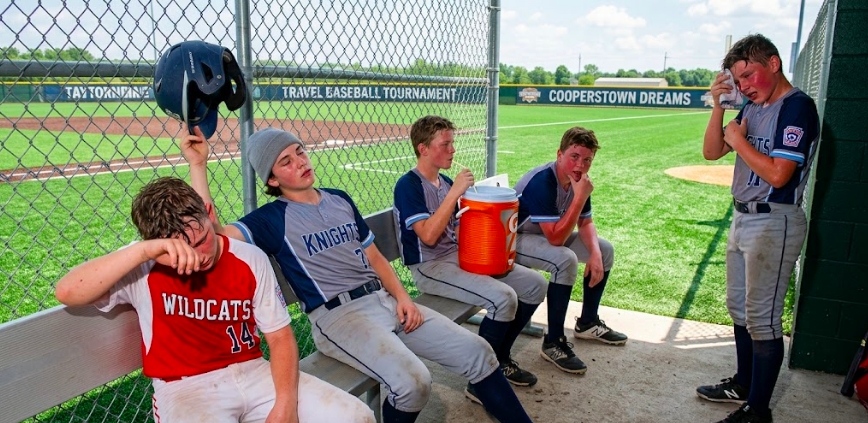
Think about a typical Saturday morning at a travel tournament. You are arriving at the sports complex at 7:00 AM, the dew is still on the grass, and you have at least two, maybe three, games ahead of you. It is a grind. Many players roll out of bed, grab a sugary doughnut or a heavy fast-food breakfast sandwich on the way, and expect their bodies to perform at a high level for several hours in the heat.
But travel ball health requires a more deliberate approach. What you put into your body directly impacts your bat speed, your reaction time in the field, and your energy levels in the late innings. Proper sports nutrition does not have to be complicated, and you do not need to overthink it. It just takes a little planning and an understanding of how different foods work in your body.
The Night Before: Setting the Foundation
Your preparation for a tournament actually begins the evening before you step onto the field. This is when you build up your glycogen stores, which are essentially your body's primary fuel tanks for athletic performance.
For dinner the night before a big tournament, focus on complex carbohydrates and lean proteins. A classic plate of pasta with marinara sauce and grilled chicken is a reliable favorite for a reason. Other great options include grilled chicken with brown rice and broccoli, or a baked potato topped with lean ground turkey.
Avoid overly greasy foods, heavy cream sauces, and spicy dishes the night before a tournament. These foods can cause gastrointestinal distress, disrupt your sleep, and leave you feeling sluggish the next morning.
Breakfast and Morning Prep: The First Line of Defense
The goal of your morning meal is to top off your energy reserves without leaving you feeling heavy or bloated. The timing of this meal depends entirely on your game schedule.
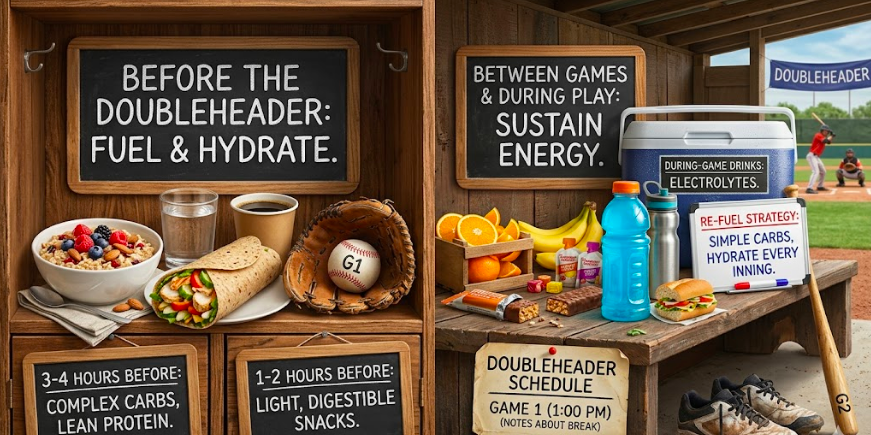
If you have an early 8:00 AM game, you probably do not have time for a massive breakfast. Your body needs quick-digesting carbohydrates that will not sit like a rock in your stomach. A banana with a tablespoon of peanut butter, a packet of oatmeal, or a slice of toast with honey are excellent choices. These foods provide quick energy that your body can access almost immediately.
If your first game is closer to noon, you have time for a more substantial meal. Aim for a balance of complex carbohydrates, lean protein, and a little healthy fat. Eggs with whole-wheat toast, a turkey and cheese sandwich, or a bowl of oatmeal topped with berries and a handful of almonds are great options. You want to avoid greasy bacon, sausage, or heavy biscuits, as high-fat foods take a long time to digest and can lead to cramping when you start running the bases or chasing down fly balls.
The Pre-Game Window: 60 to 90 Minutes Before First Pitch
As you arrive at the field and begin your warm-ups, your body needs a quick fuel injection. This is not the time for a full meal, but rather a small, carbohydrate-focused snack.
Look for foods that are low in fiber and low in fat, because these nutrients slow down digestion. You want the energy to get to your muscles quickly. Good options to keep in your gear bag include:
* A handful of pretzels or graham crackers
* A small bag of dry cereal (like toasted oats or corn flakes)
* An applesauce pouch or a handful of grapes
* A simple granola bar (check the label to ensure it is low in fat and fiber)
The focus here is quick energy. If you enter warm-ups on an empty stomach, your body will start burning its own reserves, leaving you fatigued by the third inning.
Dugout Fuel: Staying Strong Between Games
Travel baseball and softball often mean doubleheaders with only thirty to forty-five minutes between games. You cannot eat a heavy lunch during this short break, but you must replace the energy you just burned.
Keep a cooler packed with easily accessible foods that can withstand the heat. Turkey roll-ups (deli turkey wrapped around a cheese stick), fruit pouches, beef jerky, and orange slices are dugout staples for a reason. They provide a quick mix of simple sugars for immediate energy and a small amount of protein to keep hunger at bay without making you feel full.
Avoid the temptation of the concession stand. Fried chicken tenders, french fries, and nachos might smell great when you are hungry, but they will slow you down, cause bloating, and lead to an energy crash before the second game even starts.
Hydration is Non-Negotiable
No discussion about nutrition is complete without addressing hydration. Dehydration is one of the quickest ways to lose focus, slow your reaction times, and increase your risk of muscle cramps.
Hydration is not something you can fix twenty minutes before game time. It starts the day before. You should be drinking water consistently throughout Friday to prepare for Saturday's tournament.
During the games, water should be your primary beverage. However, if you are playing multiple games in high heat and humidity, you will lose essential minerals through your sweat. This is where sports drinks or electrolyte packets become useful.
A good rule of thumb is to drink water during the first game, and then introduce an electrolyte beverage during the second game or between matchups. Avoid energy drinks entirely, as they are often packed with excessive caffeine and sugar, which can cause dehydration and sudden energy crashes.
Plan Ahead for Success
Managing your nutrition on tournament weekends is a skill, just like hitting a curveball or executing a sacrifice bunt. It takes practice to find out what foods make you feel best. Start experimenting during your practice days or mid-week games rather than trying a brand-new food on the morning of a championship game. Keep your cooler stocked, plan your meals ahead of time, and give your body the clean fuel it needs to perform.
At CurveballCritiques.com we believe that youth sports should be about development, enjoyment, and healthy habits that last a lifetime. Taking control of your nutrition and hydration is a powerful way to show commitment to your team and your personal growth on the field. With the right fuel in your system, you can play hard from the first pitch of the morning to the final out of the afternoon.