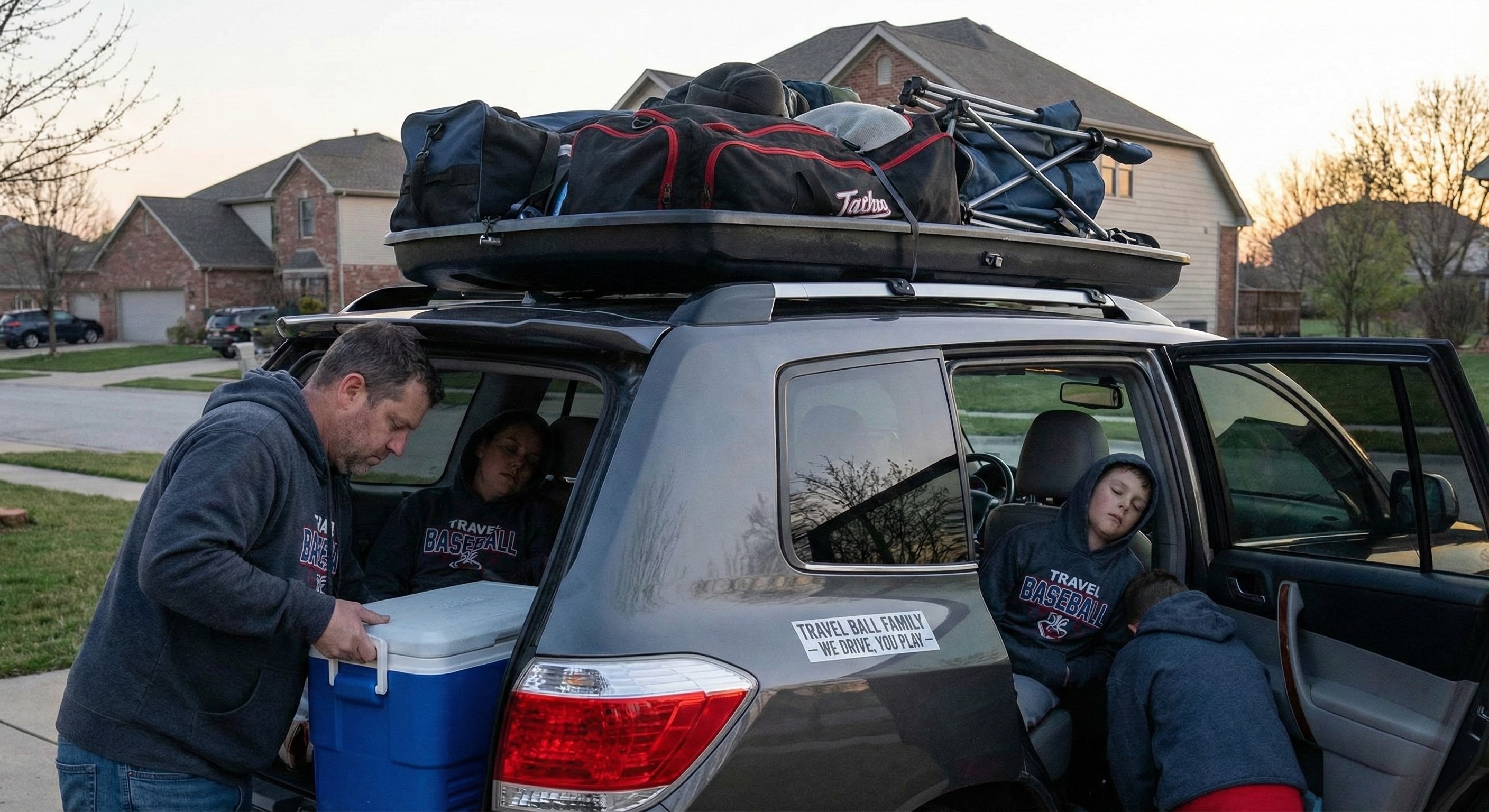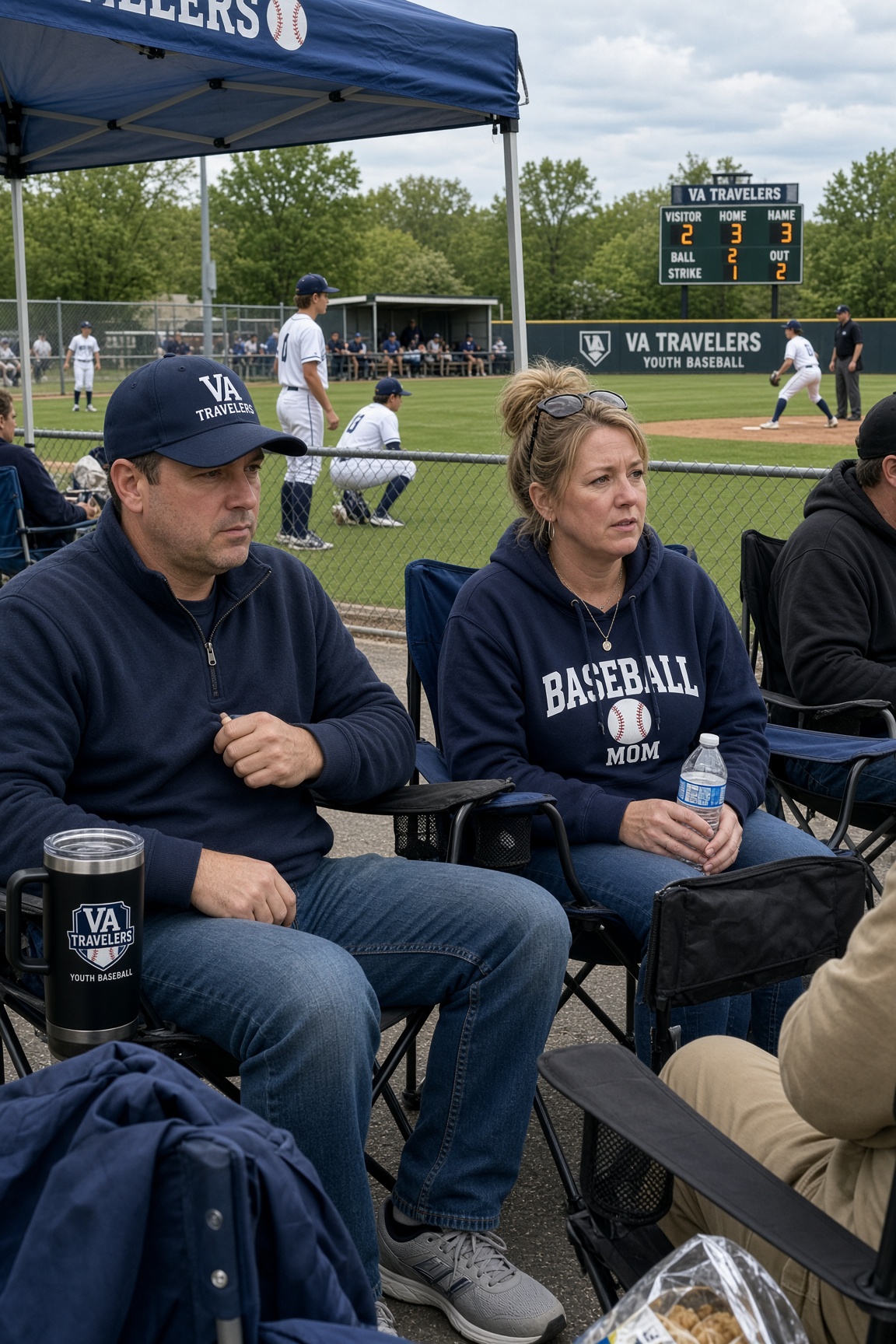
It is 7:00 AM on a humid Saturday morning. You are sitting in a folding chair, coffee in hand, canopy tent secured against a light breeze, watching warm-ups. Next to you is a parent you met just three months ago, but with whom you have already shared twelve meals, three hotel lobbies, and about forty hours of highway driving. By the end of the weekend, you will know their favorite restaurants, their career history, and their opinions on the local school board.
This is the reality of travel ball. Whether your child plays travel baseball or travel softball, the sport is not just a commitment for the athlete; it is a lifestyle for the entire family. The sheer amount of time families spend together creates a unique ecosystem. At its best, this environment fosters deep, lifelong friendships and a built-in support system. At its worst, it becomes a high-pressure cooker of unspoken rivalries, social cliques, and silent treatments.
Navigating these complex relationships is just as critical to a successful season as your child’s batting average or pitching mechanics. When parent dynamics sour, the negative energy spreads quickly, making tournament weekends miserable for everyone involved. Understanding how these relationships function, why friction occurs, and how to maintain a positive atmosphere can save your sanity and preserve your child's love for the game.
The Good, the Bad, and the Shared Canopy
In the youth sports world, travel ball relationships are unlike any other. In recreational leagues, you might wave to another parent from across the field, exchange a brief greeting, and head home. In travel sports, you are practically living together on weekends. You share the triumph of walk-off wins and the frustration of late-night bracket play delays.
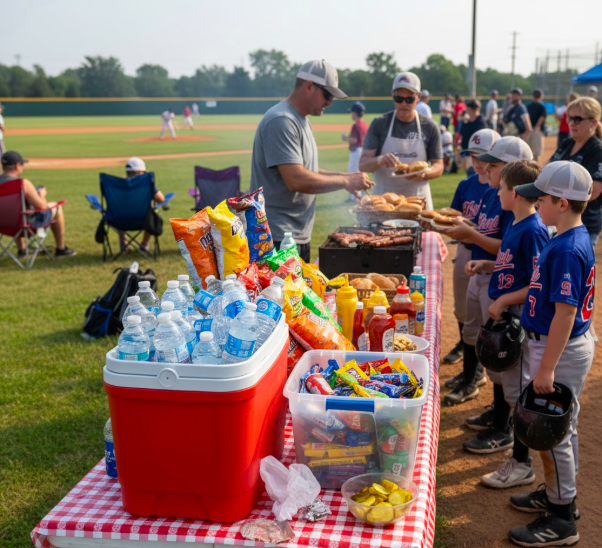
This proximity breeds an incredible sense of community. When a family is running late, another parent steps up to make sure their player is warmed up and fed. If a player forgets her batting helmet, three parents offer spares. These shared experiences often turn strangers into extended family members who celebrate birthdays together and support one another through off-season challenges.
However, this same proximity can expose cracks in the team foundation. When a group of competitive adults is put into close quarters for months on end, personal differences emerge. Parenting styles clash. Opinions on coaching decisions differ. What began as a cohesive unit can easily fracture into small factions, leaving some families feeling isolated and others feeling defensive.
The Roots of Friction: Playing Time and Jealousy
To solve any problem, you must first understand its source. In travel baseball and softball, almost all parental conflict boils down to a few predictable issues, with playing time sitting firmly at the top of the list.
Every parent wants to see their child succeed, and it is natural to want them in the starting lineup, playing their favorite position, and batting in the top half of the order. In travel ball, however, positions are earned, lineups are fluid, and playing time is rarely equal.
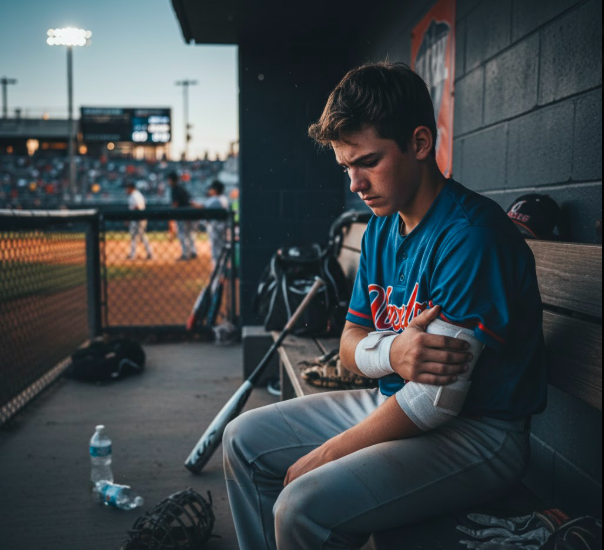
When one player is benched or moved down the batting order while another thrives, jealousy can easily creep in. This jealousy rarely stays quiet. It manifests in subtle ways: a parent quietly sighing when another child makes an error, or a group whispering behind the backstop about why a certain player is starting over someone else.
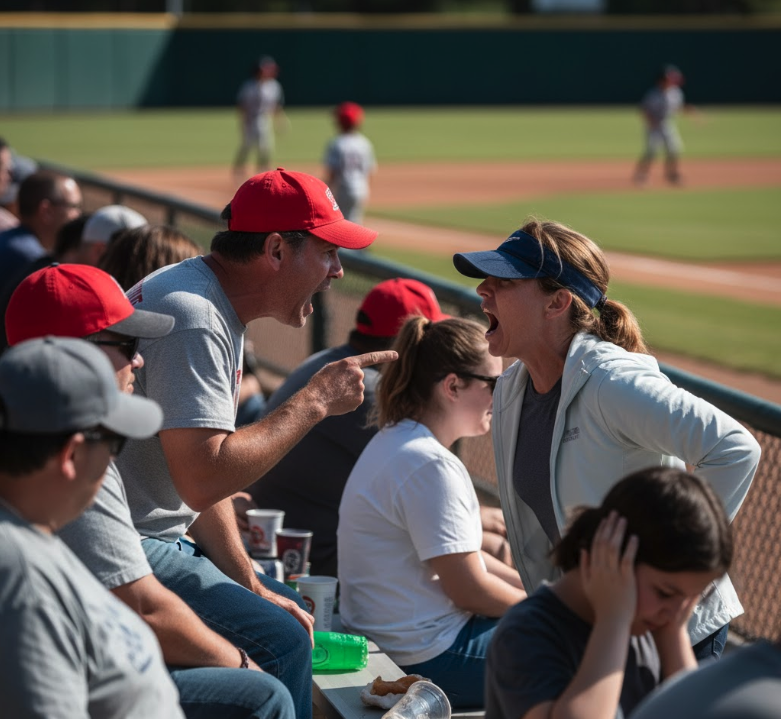
This quiet animosity can quickly grow into open hostility. You might notice a shift in the bleachers where parents who once sat together now sit on opposite sides of the field. The conversational warmth disappears, replaced by polite, icy nods. Once jealousy takes root, every strikeout, error, and coaching decision is viewed through a lens of unfairness, turning what should be a fun weekend into an exhausting exercise in social survival.
The Ripple Effect on Player Relationships
Adults often assume that kids are oblivious to the politics of the bleachers. In reality, young athletes are highly perceptive. They read body language, overhear car ride conversations, and pick up on the tension in the air.
When parents harbor animosity toward each other, it directly impacts player relationships. If a mother spends the drive home criticizing a teammate's performance or complaining about how that teammate’s father behaves, the child begins to view their teammate differently. They might stop passing the ball to them in warm-ups, exclude them from dugout conversations, or fail to cheer for them during a play.
The beauty of youth sports lies in the bond built between teammates. Players should be focused on executing double plays, hitting cutoffs, and cheering each other on, not worrying about which parents are angry with one another. When the adults keep their relationships healthy and professional, the players are free to build strong, uncomplicated friendships that can last a lifetime.
Strategies for Maintaining a Positive Atmosphere
To keep the team culture positive, families must make a conscious effort to manage their own behavior and reactions. Here are several practical strategies to keep the bleacher atmosphere healthy and supportive for everyone.
First, champion the entire roster. It is easy to cheer for your own child, but the real secret to a great travel ball experience is genuinely celebrating the success of other kids. When a teammate makes a great catch or gets a crucial hit, be loud in your appreciation. If a struggling player finally gets on base, make sure their parents hear your encouragement. By actively rooting for every child on the team, you build goodwill and help dissolve any underlying competitiveness between families.
Second, respect the 24-hour rule, not just for coaches, but for other parents. If an incident on the field or in the dugout upsets you, do not immediately address it with another parent while your emotions are running high. Sending an angry text message in the heat of the moment or confronting another parent in the parking lot rarely ends well. Give yourself a full day to cool down. Often, the issue will seem much smaller after a night of sleep, and if it still needs to be addressed, you will be able to do so with a calm, clear head.
Third, refuse to participate in bleacher gossip. Every team has a grapevine, and it can be tempting to join in when others start criticizing the coach, the league, or another family. However, gossip is poison to team chemistry. If a conversation turns negative, quietly excuse yourself to go to the restroom, grab a snack from the concession stand, or simply walk down the foul line to watch the game from a different perspective. By refusing to fuel the fire, you help prevent small disagreements from turning into major team divisions.
Fourth, keep a healthy perspective on the big picture. It is easy to get wrapped up in the intensity of a championship game or a high-stakes tournament, but it is important to remember that youth sports are a temporary chapter in your child's life. Very few travel players go on to play in college, and even fewer play professionally. What they will take away from their years on the diamond are the memories, the life lessons, and the friendships. Keeping this perspective helps keep minor setbacks in their proper place.
When Conflict Arises: Handling It with Grace
Despite your best efforts, there may be times when tension becomes unavoidable. Perhaps another parent makes an unkind comment about your child, or a misunderstanding creates an uncomfortable rift.
In these moments, handle the situation directly and quietly. Do not drag other parents into the dispute to recruit allies, as this only divides the team. Instead, ask the other parent to step away from the crowd for a quiet, private conversation. Frame the discussion around finding a resolution rather than assigning blame. Using simple phrases like, "I felt some tension between us last weekend, and I want to make sure we are on the same page for the sake of the kids," can de-escalate a defensive situation and pave the way for a constructive conversation.
Remember that you do not have to be best friends with every parent on the team. It is perfectly fine to maintain a polite, professional distance from families with whom you do not share common interests or values. The goal is not forced friendship; it is mutual respect and a shared commitment to supporting the team.
Enjoying the Journey Together
A travel ball season is a marathon. It requires early mornings, long drives, expensive tournament fees, and a massive investment of time and energy. When the parents on a team support one another, share the load, and maintain a positive attitude, that investment yields incredible rewards. You will find yourself looking forward to the long weekends, the post-game dinners, and the shared laughs under the canopy tents.
By prioritizing healthy relationships, keeping jealousy in check, and focusing on the growth and happiness of the players, you can help create an environment where everyone thrives. After all, the scoreboard eventually resets to zero, but the community you build along the way remains.
At CurveballCritiques.com we believe that the true value of youth sports is found in the community built around the field. By fostering positive relationships among parents, families can create a supportive, encouraging environment that allows young athletes to grow, learn, and love the game for years to come.