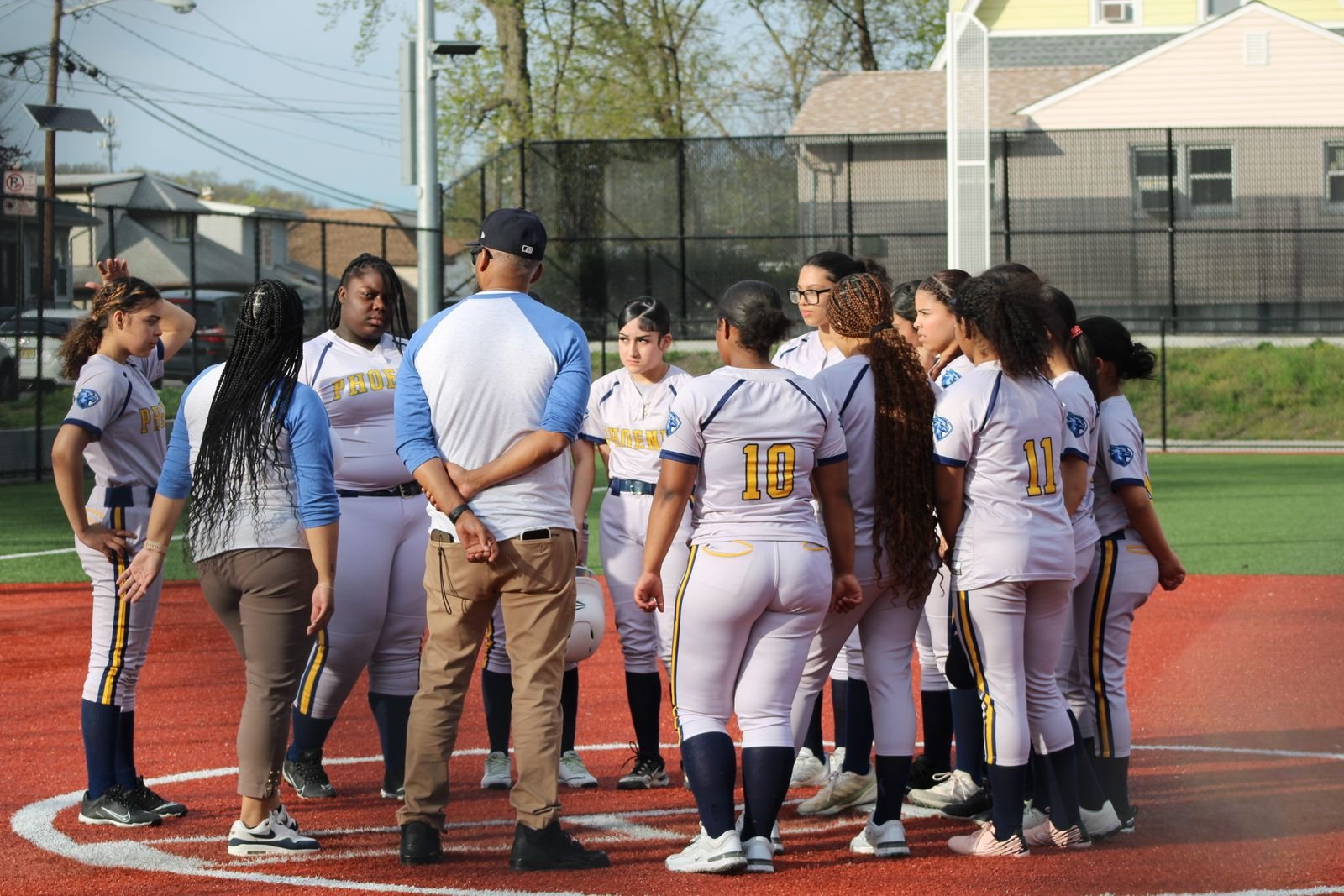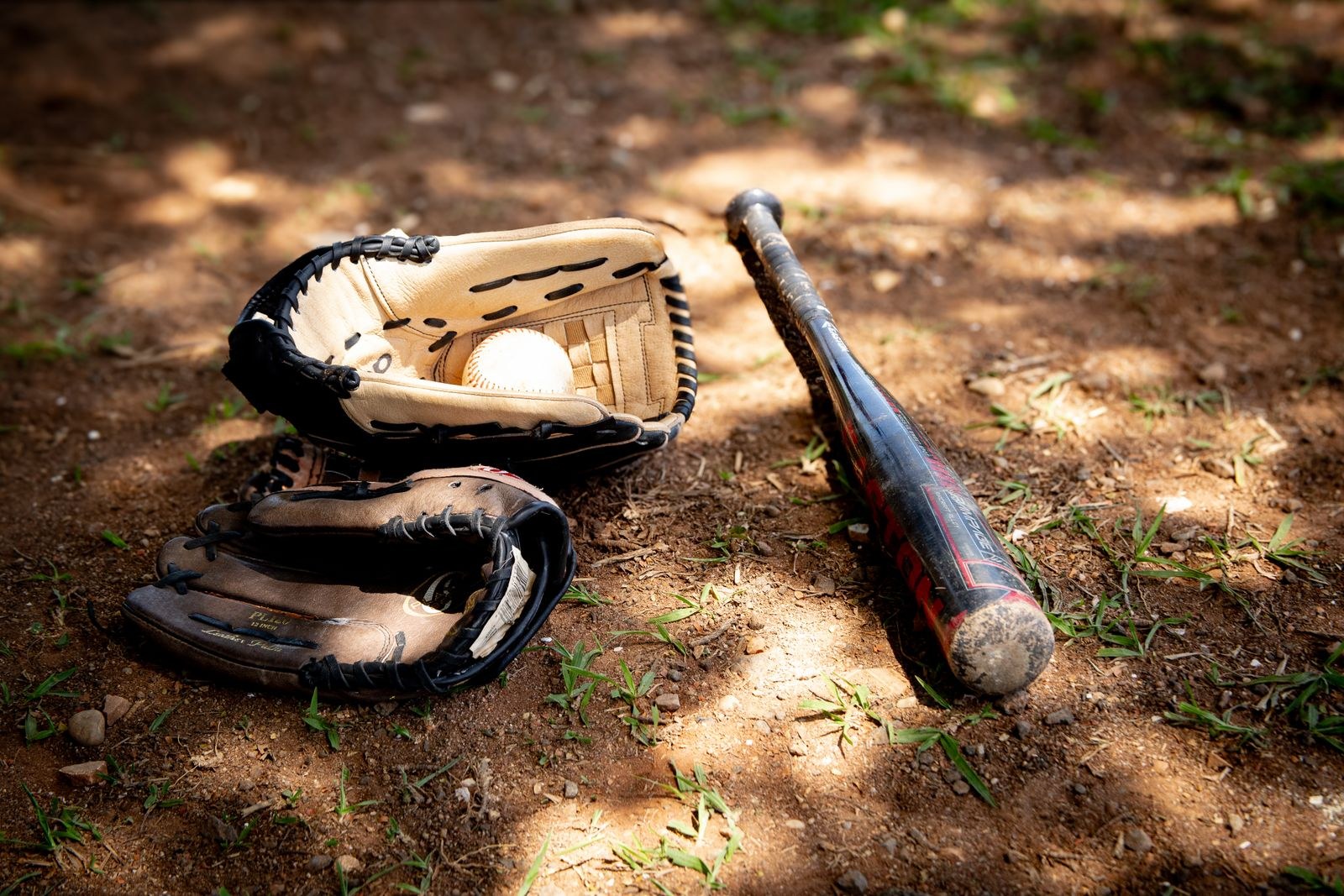
For a lot of families, spring 2027 will be the last season. Years of games are scattered across phones, closets, and old team text threads.
Winter is the right time to gather it, while there is still time to ask the people who matter to say something before it ends. Here is a practical plan to preserve youth baseball memories and softball memories without turning it into a second job.
Start by Finding Everything
You cannot organize what you cannot find. The Library of Congress, in its personal archiving guide for digital photos, says the first step is to identify everywhere your photos live, including cameras, computers, memory cards, and the web. Its guide for digital video gives the same advice for videos on phones and other devices.
For a ballplayer's family, that list usually includes:
Every parent's and grandparent's phone, plus old phones in a drawer
Shared albums and cloud photo accounts
Team apps, team photographer galleries, and tournament photo sites
Social media posts where a coach or another parent tagged your player
Paper: team photos, programs, newspaper clippings, award certificates, and scorebooks
Write the list down, then ask other team parents to send any photos they have of your player.
Decide What Actually Matters
Saving every blurry photo of a dugout is not the goal. The Library of Congress suggests picking the images you feel are especially important, and when there are several versions of the same photo, keeping the one with the highest quality. For video, it notes that versions posted on the web are often grainier than the original file, so keep the original when you can.
A useful filter for organizing sports photos and videos is to save:
The first team, first uniform, and first game you have
Big moments: a first hit, a championship, a senior night
Ordinary moments like team dinners and rain delays
Every team photo, one per season
Short video clips of the player's swing, delivery, or fielding each year, which show growth better than any stat line
Label Seasons and Teams While People Still Remember
The Library of Congress recommends giving files descriptive names, tagging them with the names of people, and creating a folder structure for what you keep.
A simple system works for most families:
Make one main folder with the player's name.
Inside it, make one folder per season, named by year, season, and team, such as "2024 Summer 14U Thunder."
Rename the best photos with a short description, such as "2024-07 Cooperstown first home run."
Write a one-page summary listing each season, team, coach, and the highlights.
Do this part with your player. They remember stories you never heard.
Back It Up More Than Once
One copy is not a backup. The Cybersecurity and Infrastructure Security Agency recommends the 3-2-1 rule: keep 3 copies of important files (the original and 2 backups), store them on 2 different types of media, and keep 1 copy offsite, outside your home.
In family terms, that might mean the folder on a home computer, a copy on an external hard drive, and a copy in a cloud account. Keep in mind that storage is not unlimited. Google, for example, says each Google Account includes up to 15 GB of storage shared across Gmail, Google Drive, and Google Photos, and years of game video can fill that quickly.
The Library of Congress also suggests checking your saved files at least once a year to make sure they still open, and making new copies about every five years so an old drive does not take the archive with it.
Protect the Paper, Too
Team photos, programs, and scorebooks need care as well. The National Archives' guidance on storing family papers and photographs says to keep items below 75 degrees Fahrenheit and below 65% relative humidity, and to store them out of damp basements, garages, and hot attics. It also recommends acid free folders and boxes, and sleeves made of stable plastics such as polyester, polypropylene, or polyethylene.
Scan the most important paper items so they get backed up too.
Collect Messages From the People Who Were There
Photos show what happened. Words from the people around the player show what it meant, and coaches move on and grandparents get older.
Over the winter, reach out to a short list:
Coaches from different stages, including the first coach who gave them a chance
Grandparents and other relatives who came to games
Longtime teammates and their parents
Keep the ask simple. A single question works better than "say a few words." Try "What is one moment you remember about watching them play?" or "What do you hope they take with them from the game?" Ask for a short written note or a 30 to 60 second video recorded on a phone.
If you want help with this part, Diamond Legacy from Curveball Critiques texts family members and coaches a simple question, they record a short video message, and the messages are transcribed and printed alongside the player's photos in a hardcover book.
Let the Player Decide What Matters
This is the player's story, not the parents' highlight reel. Some players want every stat; others care more about friends or a coach who believed in them.
Ask what they want to remember and what they would rather leave out. Our piece on how few players make varsity, college, or pro ball is a reminder that almost every player's story ends before the pros, and that does not make it less important.
Choose a Keepsake Format
Once the material is gathered, pick the format that fits your player. Common options include:
A printed photo book or softball memory book with one section per season
A short highlight video with music the player picks
A framed collage of team photos with a jersey number
A memory box with a ball, a hat, and printed notes
For a senior season keepsake in baseball, timing matters. If you want something ready for senior night, start in winter so there is time to collect messages, design, and print. For senior night gift ideas in baseball and softball, a small set of printed notes from former coaches can mean more than anything bought in a store.
A Simple Winter Timeline
December: Make the list of where everything lives and ask other families for photos.
January: Pick the best photos and clips, build season folders, and label them.
February: Back everything up using the 3-2-1 rule and send message requests to coaches and family.
March: Choose the keepsake format and start the design so it is ready before senior night or the last game.
The habits of a great baseball parent apply here too: keep the focus on the player. If you have ever wondered what families give up for travel baseball, this project is a chance to look at what you got back.
At CurveballCritiques.com we believe that a player's years in the game are worth remembering in full, not just the wins and stats but the people, the long drives, and the moments in between. A few winter evenings of gathering, labeling, and backing up can make sure that story is still there long after the last out.