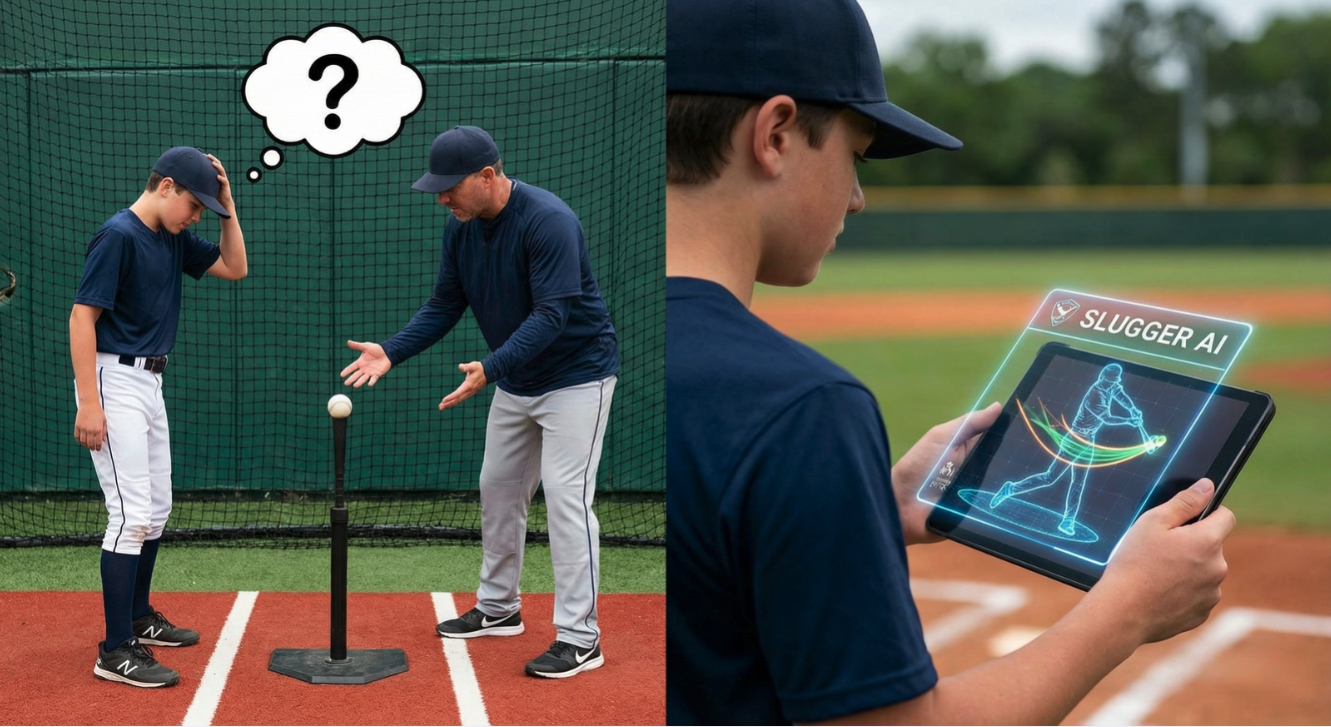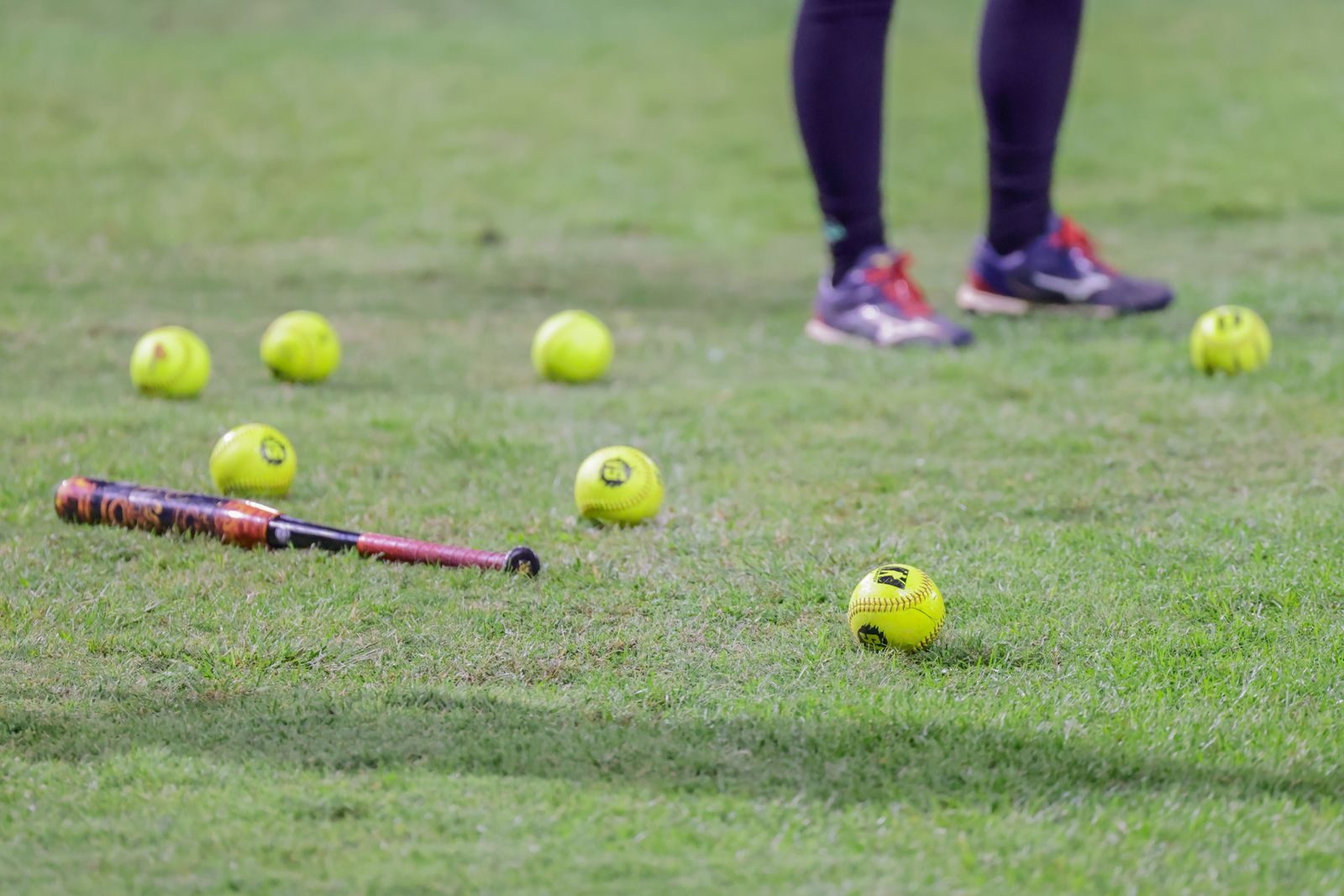
Many travel ball garages have a corner like this: a swing trainer used twice, weighted balls still in the bag, and a bat that was the must-have model two seasons ago. None of it came from bad intentions. It came from a hype cycle that runs on the fear of falling behind, and it hits baseball and softball families hardest in the offseason, when new models drop and the sale emails start.
If you are hunting for the best youth baseball training aids in 2026, this guide will not rank products. It gives you a short framework for any bat, training aid or paid service, plus a few 2026 examples you can check yourself. If you want our take on swing sensors, radar guns and ball flight monitors, we covered those in Which Training Tech and Apps Are Actually Worth It for 12U-15U Travel Teams in 2026. This piece is about gear, training aids and the buying decision.
The Three-Question Test
Before you buy anything, run it through three questions. If a product fails one, wait. If it fails two, walk away.
Does it address a real bottleneck? A bottleneck is the one thing holding your player back the most right now, such as a late swing, a long path to the ball or an inconsistent release point. A product that solves a problem your player does not have is a souvenir, not a training aid.
Is the benefit measurable and durable? You should be able to tell within a few weeks whether it is working, and the benefit should last after the novelty wears off.
Who is recommending it, and what do they gain? An independent coach, athletic trainer or physical therapist who has actually watched your player has nothing to sell you. A sponsored athlete or an affiliate link does.
Bats: Where Hype Meets the Rulebook
Bats are often the biggest single purchase, and they are where marketing language works hardest. Words like "hot" and "max pop" sound like performance claims, but on baseball bat hype vs performance, the rulebooks tell a more grounded story.
Under the USABat standard, which took effect on January 1, 2018 for organizations including Little League, Babe Ruth/Cal Ripken and PONY, non-wood youth bats must perform at a wood-like level. BBCOR, the high school and college standard, works the same way, and USA Baseball says the two standards set similar performance limits. In plain terms, every certified bat under a given standard is built to stay under the same performance ceiling. What extra money buys is feel, balance, sound, materials and durability. Those matter to some hitters, but they are not a guaranteed jump in exit speed.
On Axe Bat's own online store in early November 2026, the company's -3 BBCOR bats were listed from $99.99 for a 2023 Avenge Pro Hybrid to $399.99 for the RIPL Hybrid. Both carry the same BBCOR certification. A player who swings a prior-year model well is not leaving certified performance on the table.
The bigger 2026 risk is buying for the wrong standard. USSSA's current national rules require 14U players to use a -3 BBCOR or wood bat unless the event's state has adopted a -5 exception, and USSSA told members the change applies starting with the 2027 season, which began in August 2026. A premium -5 bat bought for a 13-year-old may not be legal at many 14U events.
On July 2, 2026, USA Baseball took over management of the BBCOR standard from the NCAA under the name USA BBCOR, and it says performance limits will not change. The NFHS has also voted to allow lighter USABat -4, -5 and -6 bats in high school baseball beginning with the 2028 season, while existing BBCOR bats stay legal.
Softball families face their own version of this. USA Softball keeps a non-approved bat list of models that once carried its certification mark but later failed a field audit, and high school softball uses the USA Softball approved list. A popular bat is not automatically legal in your tournament.
Check the official rules for every organization on your schedule, then ask the coach which length and drop weight your player can control. A bat swung on time beats the hottest one on the rack.
Training Aids: The Bottleneck Question
Ask your player's coach to name the single biggest thing holding the player back, then ask whether the product targets that specific thing.
A batting tee and a net. Low cost, nearly unlimited reps and useful for most hitters. In any honest review of training equipment, simple tools like these are the baseline a pricier aid should beat.
Swing trainers and attachments that promise to fix a swing. They can help when a coach has diagnosed the exact flaw the device targets. Without that diagnosis, they fail the first question.
Weighted balls and velocity programs. These pass the measurable test easily, which is part of their appeal. Durability and safety are harder. In a 2018 randomized controlled trial in Sports Health, pitchers ages 13 to 18 who did a six-week weighted ball program gained 3.3% in pitch velocity, but 24% of them had elbow injuries during the program or the following season. No one in the control group was injured, and the authors concluded that caution is warranted.
Independent Advice vs Marketing Claims
The loudest voices are usually selling, so compare any product's promise with what independent sports medicine groups say about the underlying goal.
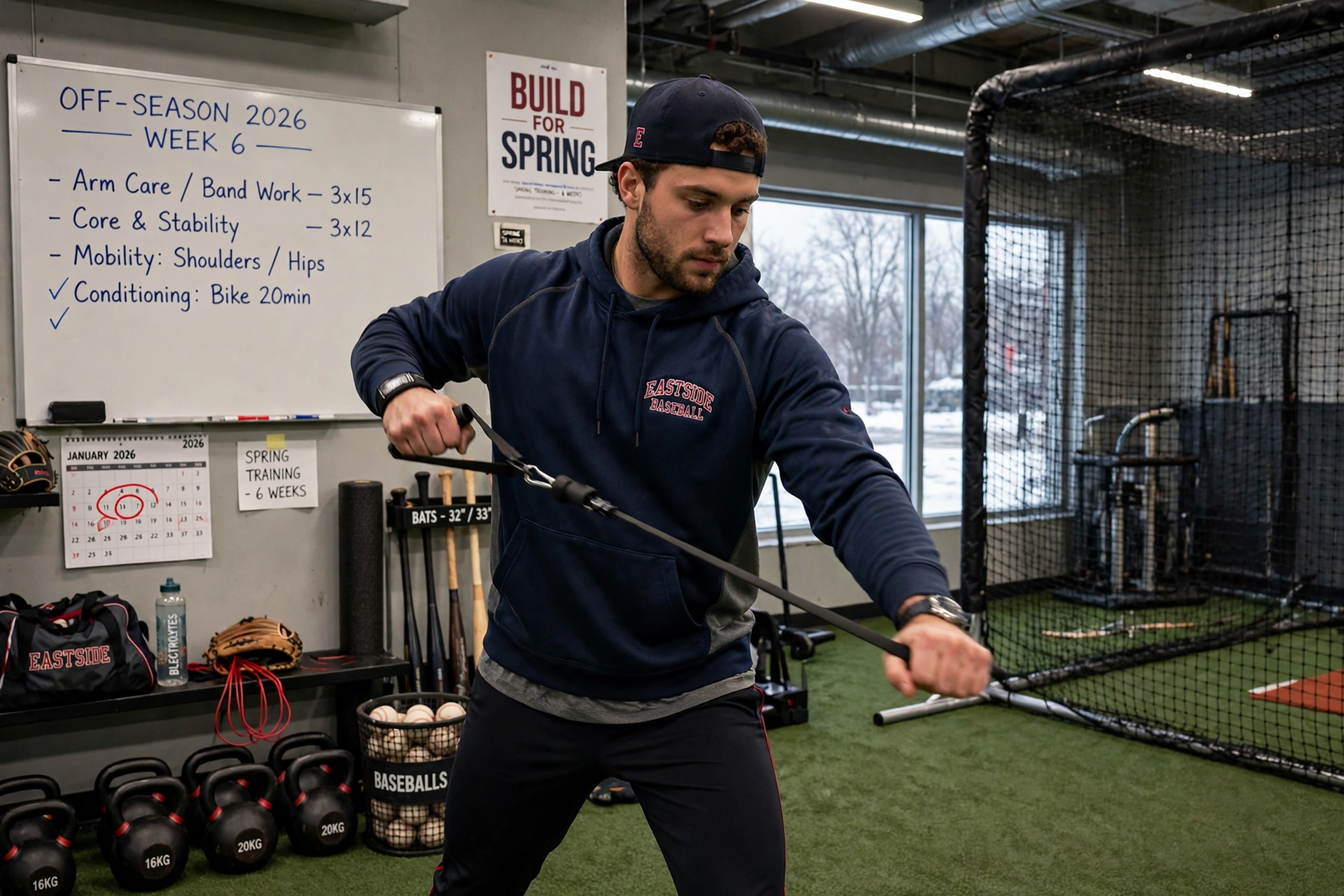
The American Sports Medicine Institute's position statement for adolescent pitchers recommends no overhead throwing for at least 2 to 3 months per year (4 months is preferred) and no competitive pitching for at least 4 months per year. MLB's Pitch Smart guidelines for ages 13 to 14 call for at least four months off from throwing each year, with 2 to 3 of those months continuous. A product or program that needs year-round throwing to deliver results is working against that guidance, however good the before-and-after video looks. We explained why more baseball-specific winter work can backfire in The Offseason Training Myth.
Good coaches who see your player every week tie purchases to a development plan, not a sales calendar. See How Good Travel Ball Coaches Actually Develop Players.
A claim deserves extra skepticism when:
The benefit is described only in feelings, such as "more pop" or "elite feel," rather than something you can check.
The proof is one highlight clip or a sponsored athlete.
A subscription or add-on is required to get the advertised result.
It promises fast results for a problem that usually takes months of coached reps.
A Simple Buying Routine for 2026
Write down your player's current bottleneck in the coach's words.
Check the rulebooks and approved bat lists for every organization on next season's schedule.
Record a simple baseline you can repeat, such as hard contact off a tee or strike percentage in a bullpen.
Give a new aid a few weeks of steady use, then measure again.
If nothing changed, stop using it, pass it on, and skip the upgraded version.
A gear budget helps too, since equipment spending creeps easily. Our guide to the financial and emotional toll of travel ball has practical ways to set limits before the next sale email lands.
The Bottom Line
At CurveballCritiques.com we believe that the travel ball gear worth buying is the gear that solves a real problem your player has right now, fits the rules of the events they actually play, and still gets used in March. Ask the three questions, check the rulebook, trust independent coaches and sports medicine guidance over marketing, and measure the results. That approach saves money, protects young arms and keeps the focus on development, not hype.