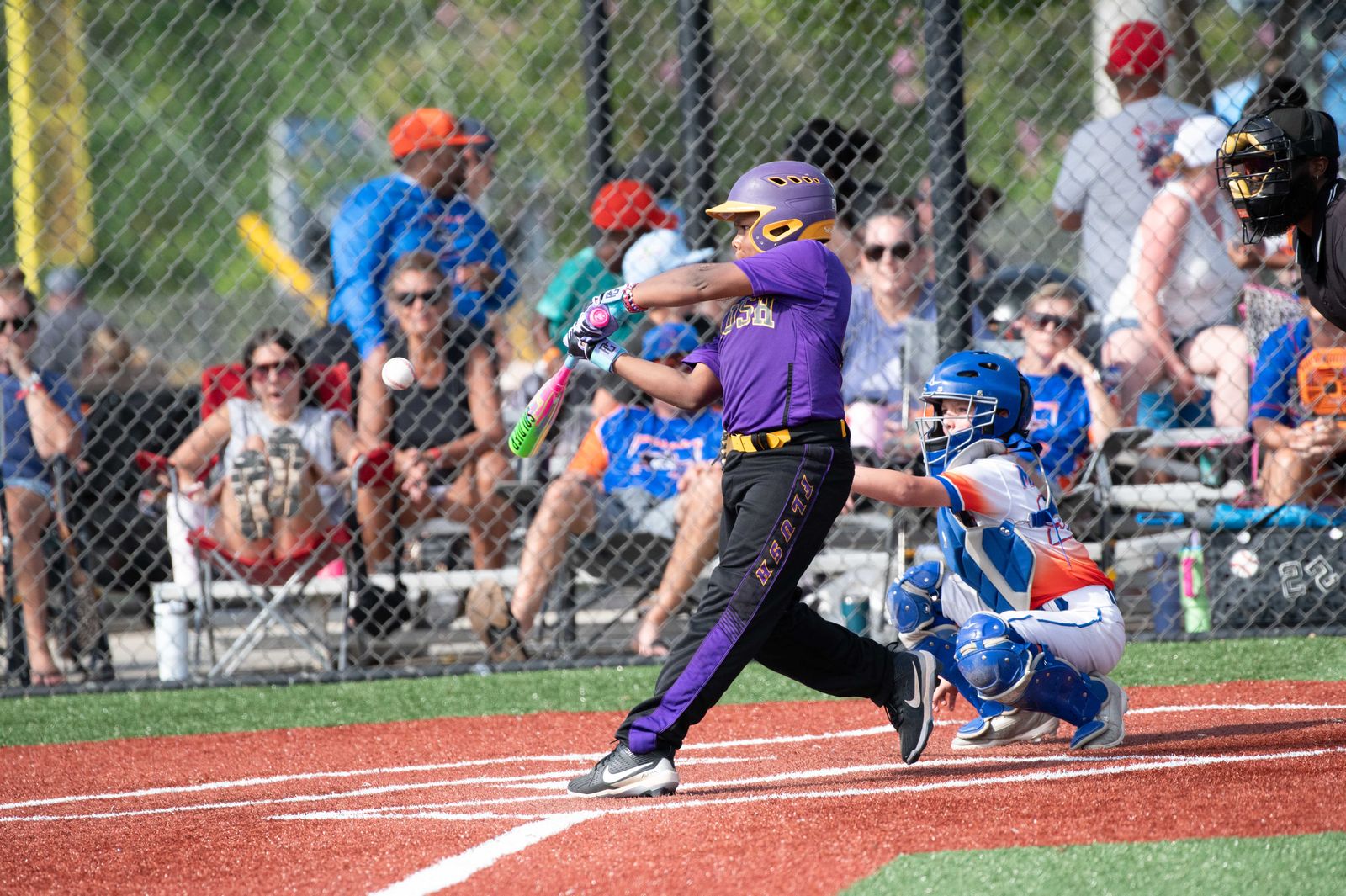
A few seconds of music and a name over the speaker can make a 10U kid stand a little taller on the way to the plate. Youth baseball walk-up songs, softball walk-up music, and big-league style batter announcements have reached travel and high school fields. In 2023 the Montana High School Association approved walk-up music for high school softball and baseball.
Done well, it adds to the game day atmosphere in travel ball. Done poorly, it slows the game, annoys the other dugout, and embarrasses a parent volunteer when a lyric slips through. Here is how team managers, coaches, and families can do it right for spring 2027.
Check the Rules Before You Buy a Speaker
There is no single national rule for walk-up music. The Wisconsin Interscholastic Athletic Association has noted that the NFHS rule book does not address music, so state associations, leagues, tournaments, and facilities write their own policies. A few real examples from high school associations:
Montana: The MHSA softball regulations allow walk-up music in the regular season for the home team only, with school administration approval. The music should stop the moment the batter steps into the box, and officials may order it turned down or off.
Kansas: The KSHSAA baseball and softball manual allows regular season music between batters after the play result and next batter are announced, lets the umpire stop it if it slows the game, and bans music between batters in postseason games.
Iowa: The IHSAA baseball manual allows music before the game and between innings, but not between batters as they approach the plate in the same half inning.
Wisconsin: The WIAA requires school approval for all recorded music and does not allow it during playing action or brief pauses, such as between pitches.
Travel tournaments and local leagues set their own terms too. One tournament host's 9U to 14U rules let the batting team use portable speakers for walk-ups and between innings, require clean versions, and say music can be shut off at the discretion of the head umpire or tournament director after complaints from guests with children. NSA West leaves team music to the tournament director and asks teams to keep the volume low enough not to affect the opponent or other fields.
Before the season, ask three questions in writing:
Does the league, association, or tournament allow walk-up music at all, and for which team?
When must it stop: when the batter steps in, before the first pitch, or not between batters at all?
Does the facility have its own rules on speakers, volume, or hours?
Music Licensing: Ask Who Covers It
Music licensing is easy to overlook. According to ASCAP's licensing FAQ, US copyright law requires permission from the copyright owners to play their music publicly, and a public performance includes music played in a place open to the public. ASCAP also says that using a personal Spotify, Apple Music, or YouTube account in a business establishment requires a public performance license.
Some schools already have coverage. The NFHS and BMI offer a K-12 school music license that lists games among the sporting events it covers.
Whether a particular youth game needs a license, and who would hold it, is a question for the field owner, league, or tournament host. Ask them rather than guess, and follow their answer.
Pick Clean, Age-Appropriate Songs
The safest standard is simple: if you would not want a 7-year-old sibling in the bleachers to hear it, do not play it. Several leagues and tournaments, including the Forney, Texas youth league, require clean music with no profanity or sexual content.
A clean version is not always enough on its own. A few practical habits help:
Listen to the exact clip you plan to play, not just the song title.
Use explicit content filters, but know their limits. Spotify says its explicit tags depend on information from rights holders, and some explicit releases have no clean version.
Give families a short written standard, such as no profanity, no violent or sexual themes, and nothing aimed at an opponent.
For clean walk-up songs for kids, let players pick, but make the manager the final approval.
Keep Clips Short So the Game Keeps Moving
Every rule above has the same theme: the music serves the game. Most policies cut it when the batter steps in, before the first pitch, or earlier.
A good target is a clip that covers the walk from the on-deck area to the box and then fades. Start each song at its best moment rather than at the beginning, and fade it out the moment the batter is set. If an umpire asks you to turn it down or stop, do it right away without debate.
Respect the Other Dugout and the Neighbors
Walk-up music is for your hitters, not against the other team. A few habits keep it friendly:
Play music only for your own batters, never during the opponent's at bats or pitching changes.
Keep the volume at a level the next field over cannot hear.
Skip sound effects that mock an error, a strikeout, or a pitcher.
Turn it off in a lopsided game.
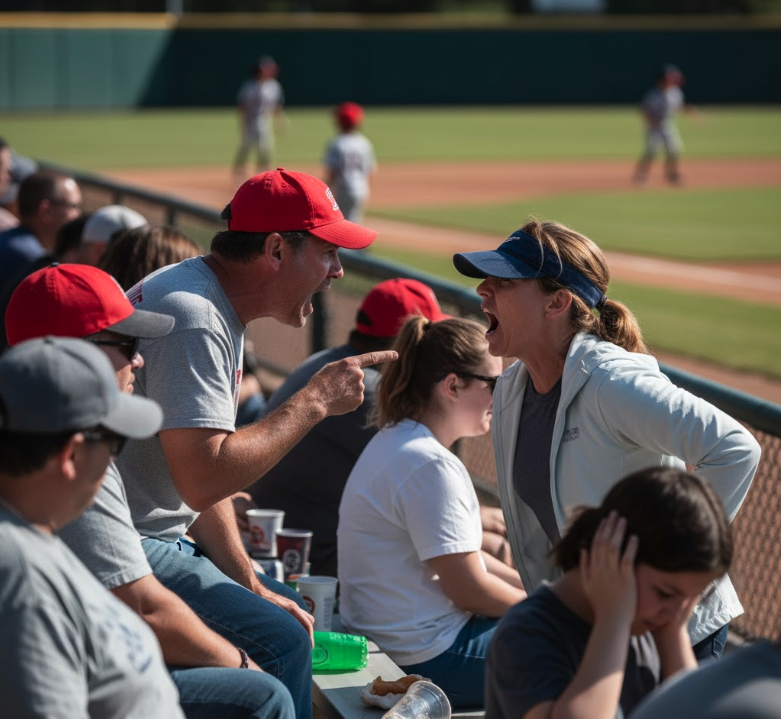
The same thinking applies to the adults around the speaker. Our guide to managing parent relationships in the bleachers and our piece on being the adult on the sideline both apply here.
Get Every Player's Name Right
Player introductions in youth baseball only work if the names are right. Mispronouncing a kid's name every game undoes the point.
Ask each family how to say the player's first and last name, and write it down phonetically.
Ask whether the player goes by a nickname, and use it only if the player wants it.
Confirm jersey numbers and positions before the first game.
Run It From One Phone With One Volunteer
The simplest setup is one phone, one speaker, and one volunteer who is not also keeping the book. Batting orders change, substitutions happen, and fields often have weak cell signal, so preparation matters.
That is the problem Ballpark Press Box is built for. It introduces each batter in a ballpark announcer voice with name, number, and position, plays each player's own song and fades it out on time, and follows the batting order with on deck, in the hole, and one-tap substitutions. A Prepare for Game step saves what the game needs on the phone before you leave home, so it keeps working without signal. Parents pick their player's song through a team setup link, and the manager approves it. If the usual volunteer cannot make it, a Guest DJ link lets someone else run it without an account, and every team starts on a free Starter plan.
Whatever tool you use, run one practice inning before game day.
Keep the Focus on the Kids
Walk-up songs and intros should make every kid on the roster feel like part of the team, including the player who bats ninth. That fits what we think travel baseball should really be teaching kids: respect for the game and for the people around it.
At CurveballCritiques.com we believe that the best game day atmosphere is one where every player feels seen, the other team feels respected, and the game itself stays at the center. Check the rules, choose clean songs, keep it short, say every name right, and walk-up music becomes one more reason kids love coming to the field.