Most bad travel team experiences do not start with a blowup. They start with small signals that families notice, explain away, and then live with for a full season. A vague answer about playing time. A practice that is mostly standing around. A coach who messages players directly late at night.
Tryouts and the first few weeks of a season are when those signals are easiest to see and cheapest to act on. This guide covers what to watch for, what to ask, and how to tell a demanding coach from a problem coach.
Why the Coach Matters More Than the Team Name
A program's logo and win record are easy to compare. The coach is harder to judge, and usually shapes the season far more.
In a George Washington University study led by Amanda Visek, youth soccer players, parents, and coaches identified 81 things that make organized sports fun. Positive coaching ranked among the three most important groups of factors, and "when a coach treats players with respect" was the highest-rated item in that group. "Getting clear, consistent communication from coaches" also made the list. The study was built on soccer, but the lesson carries over: how a coach treats and talks to players is central to whether kids want to keep playing.
Red Flags During Tryouts
Tryouts run in both directions. While the staff evaluates your player, you can evaluate the staff.
No visible evaluation structure. Good tryouts usually have stations, more than one evaluator, and some way to record what they see. If players stand around while one coach watches a few familiar faces, the roster may already be decided.
Promises before anyone has seen your player throw. A coach who guarantees a starting spot or a college path in the first conversation is selling, not evaluating.
Pressure to commit on the spot. A short decision window is normal. A demand for a deposit before you can ask questions is not.
Dismissive treatment of struggling players. How a coach speaks to the kid who keeps booting ground balls tells you how your child will be treated on a bad day.
Questions to Ask a Travel Coach Before You Commit
Ask these directly, and notice whether the answers are specific or vague.
How do you decide playing time and batting order, and how will my player know where they stand?
What does a typical practice look like, and how often do you practice compared with how often you play?
How many tournaments are on the schedule, and how many games per weekend should we expect?
How do you track pitch counts and rest across tournaments, including when players also pitch for a school or another team?
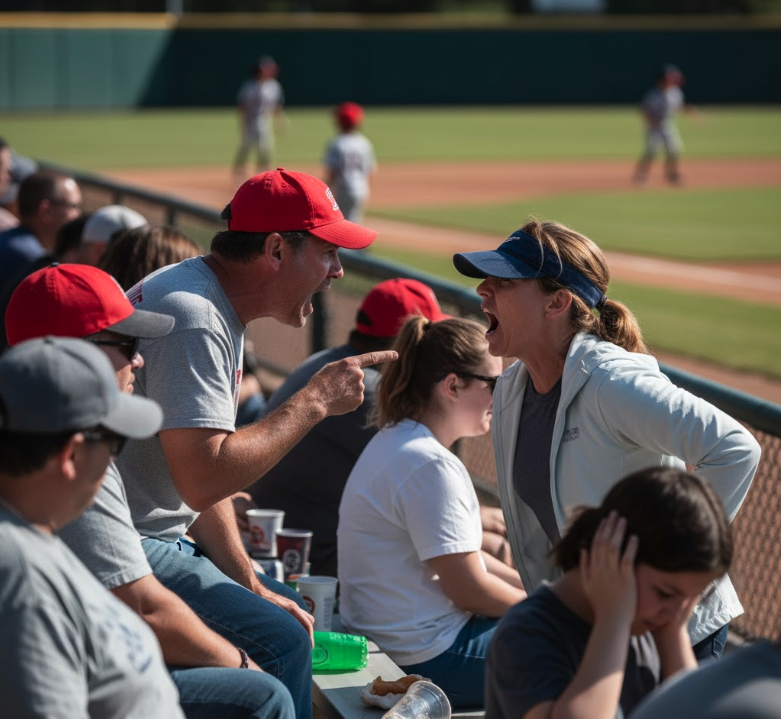
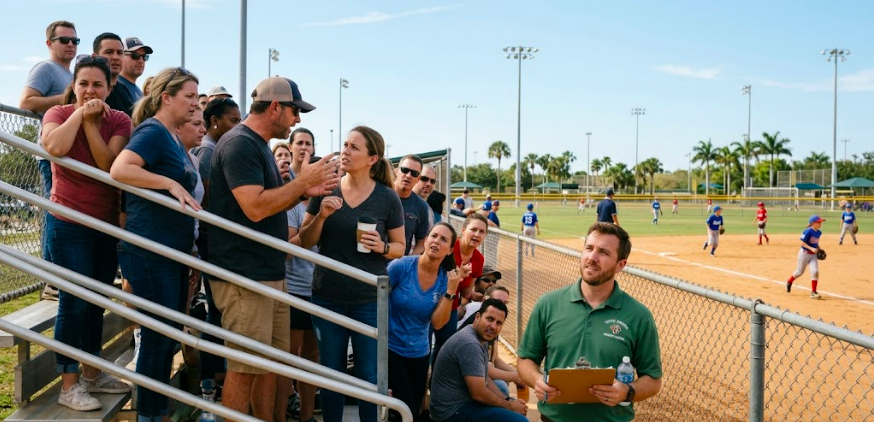
How do you handle a parent who disagrees with a decision? Is there a waiting period or a set way to request a meeting?
How do you communicate with players, and who else is included on those messages?
A good coach will not have a perfect answer for everything. A good coach will have an answer, and will not treat the question as an insult.
The Arm Care Question Is a Fast Filter
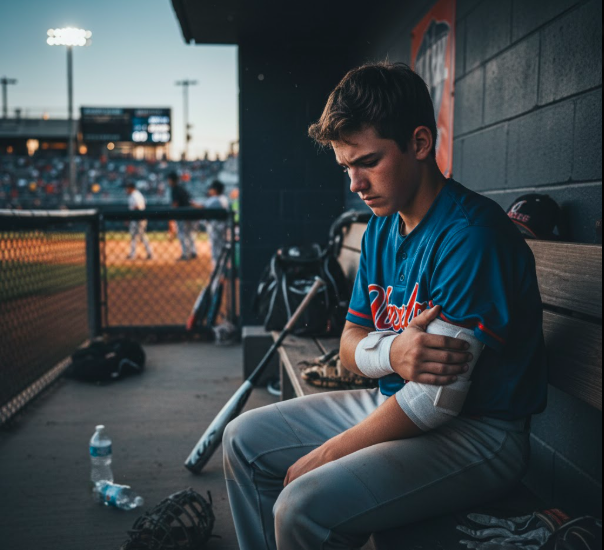
Question four deserves extra weight. Pitch Smart, the youth pitching guidelines from MLB and USA Baseball, recommends that 13 and 14 year olds throw no more than 95 pitches in a game and take four days of rest after 66 or more pitches. It also advises avoiding playing for multiple teams at the same time and avoiding catching when not pitching, and it says no pitcher should appear on the mound three days in a row, regardless of pitch count.
Pitch Smart notes that parents and players are ultimately responsible for following the guidelines across the year, because many kids play in more than one league. A coach who says "we keep an eye on it" without describing any system is a red flag. Pitch Smart is written for baseball, so softball families should ask the same question about how the staff manages workload for windmill pitchers and expect an equally concrete answer.
Red Flags in the First Two to Three Weeks
Some problems only show up once the season starts.
Communication style
Plans change constantly with little notice, and families hear about schedule shifts from other parents.
The coach is warm with parents but harsh or sarcastic with kids.
Feedback is mostly yelling after mistakes, with no instruction about what to do next time.
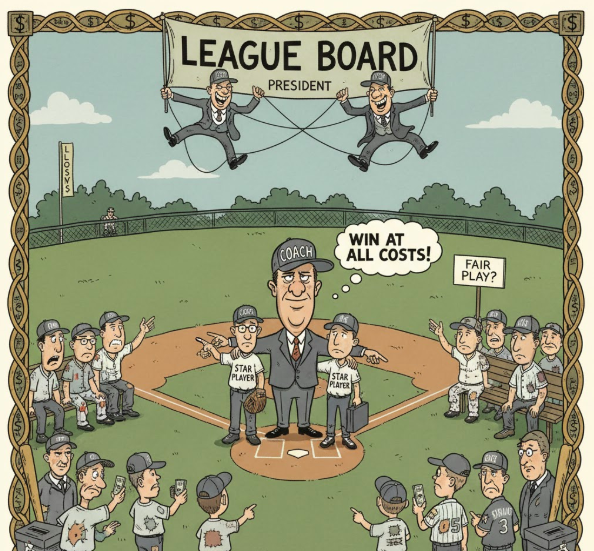
Development philosophy versus winning at all costs
The same small group plays every key inning from the first weekend, before the rest of the roster has had a fair look.
Practices are rare, or they are mostly scrimmages with little teaching.
Losses lead to roster threats instead of adjustments.
How conflict is handled
Questions from parents are treated as disloyalty.
Players are criticized in front of teammates for things a quiet word would fix.
Transparency on roster decisions
Roles were described one way at tryouts and look very different in games, with no explanation.
New players appear mid-season and take spots without anyone being told why.
Opportunity seems tied to money, such as the children of team sponsors always starting.
Safety Red Flags That Are Not Negotiable
Some issues go beyond coaching style. The U.S. Center for SafeSport's Minor Athlete Abuse Prevention Policies require that one-on-one contact between an adult and a minor athlete be observable and interruptible, meaning another adult can see it and step in. They also require electronic communication with minor athletes to be open and transparent: a parent, another adult family member, or another adult in the program must be copied on every message, including texts and social media direct messages. The policies also recommend messaging minors only between 8 a.m. and 8 p.m. local time.
Not every travel program falls under these rules, but they are a sound standard to hold any adult to. A coach who insists on private messages with players, or who regularly arranges unsupervised one-on-one time, is a serious concern no matter how good the team is.
What to Do When You See a Red Flag
One red flag is not always a reason to leave. Patterns matter more than moments.
Write down what you saw, with dates.
Ask for a short, private conversation away from the field, not right after a game.
Focus on your own player's development and role, not on other kids.
If a safety concern is involved, skip the waiting period. Report it to the organization, to the U.S. Center for SafeSport where it applies, and to law enforcement if abuse may be involved.
If the pattern does not change after an honest conversation, it is reasonable to plan for a different team next season, or sooner if the situation is harmful.
Learn From Families Who Have Been There
Before tryouts, talk with families who played for the coach in past seasons, especially families who left. You can also read and share firsthand experiences in Curveball Critiques team reviews at curveballcritiques.com/review. For more on this topic, see our earlier pieces on red flags in a coach and questions to ask before committing to a travel team.
At CurveballCritiques.com we believe that the right coach is not the one with the loudest promises or the biggest trophy case, but the one who teaches, communicates honestly, protects players' health, and treats every kid on the roster with respect. Families who watch closely at tryouts and in the first few weeks give their players the best chance at a season worth remembering.