Baseball and softball are not collision sports, so concussions are easy to forget until a player gets up slowly after a foul tip to the mask or a collision chasing a pop fly.
This guide for travel and high school families covers how concussions happen on a diamond, the signs to watch for, what to do right away, how return to school and return to play work, and what to ask your team before spring 2027. It is general information from the CDC and published research, not medical advice. A healthcare provider should make every diagnosis and clearance decision.
What a Concussion Is
The CDC describes a concussion as a type of traumatic brain injury caused by a bump, blow, or jolt to the head, or by a hit to the body that makes the head and brain move rapidly back and forth. That second part matters. A player does not need to be hit in the head to have a concussion.
The CDC notes that most children feel better within 2 to 4 weeks, though some have symptoms for months or longer, and previous concussions raise the chance of a longer recovery.
How Concussions Happen in Baseball and Softball
A 2007 study in the Journal of Athletic Training used national high school injury surveillance data from the 2005 to 2006 school year. Contact with the ball caused 91.4 percent of baseball concussions and 59.1 percent of softball concussions. In baseball, 50.6 percent came from being hit by a pitch, compared with 6.9 percent in softball.
The same study found that concussions made up 5.5 percent of all softball injuries and 2.9 percent of all baseball injuries.
A 2024 study in Neurosurgical Focus looked at 58 baseball and softball players ages 12 to 23 seen at one concussion clinic. Head to ball contact caused half of the concussions, and fielding was the most common activity at the time of injury, followed by drills and running.
These are specific samples, not a full count of youth injuries, but the pattern is consistent: balls cause many of these injuries, and collisions and falls add to the risk.
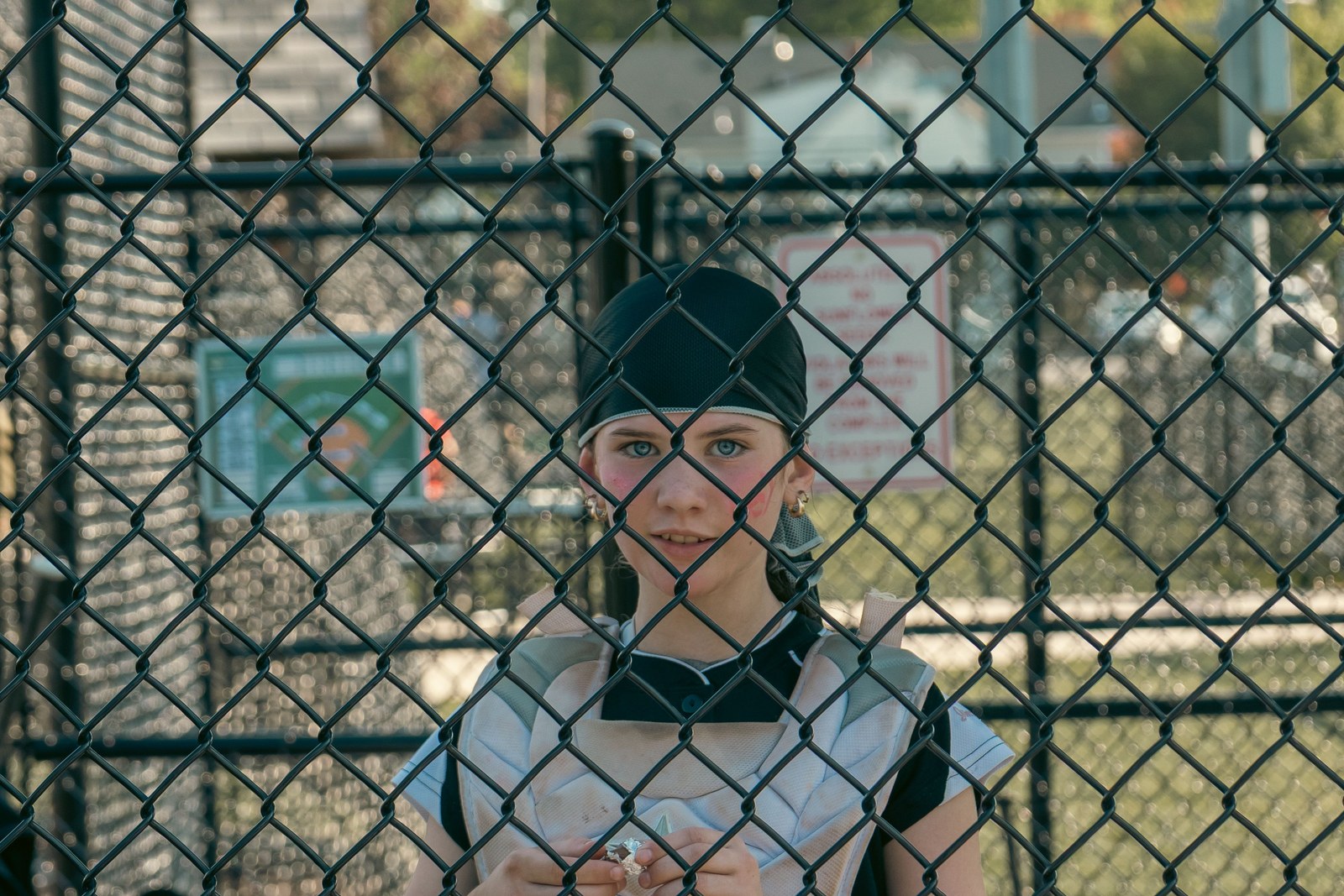
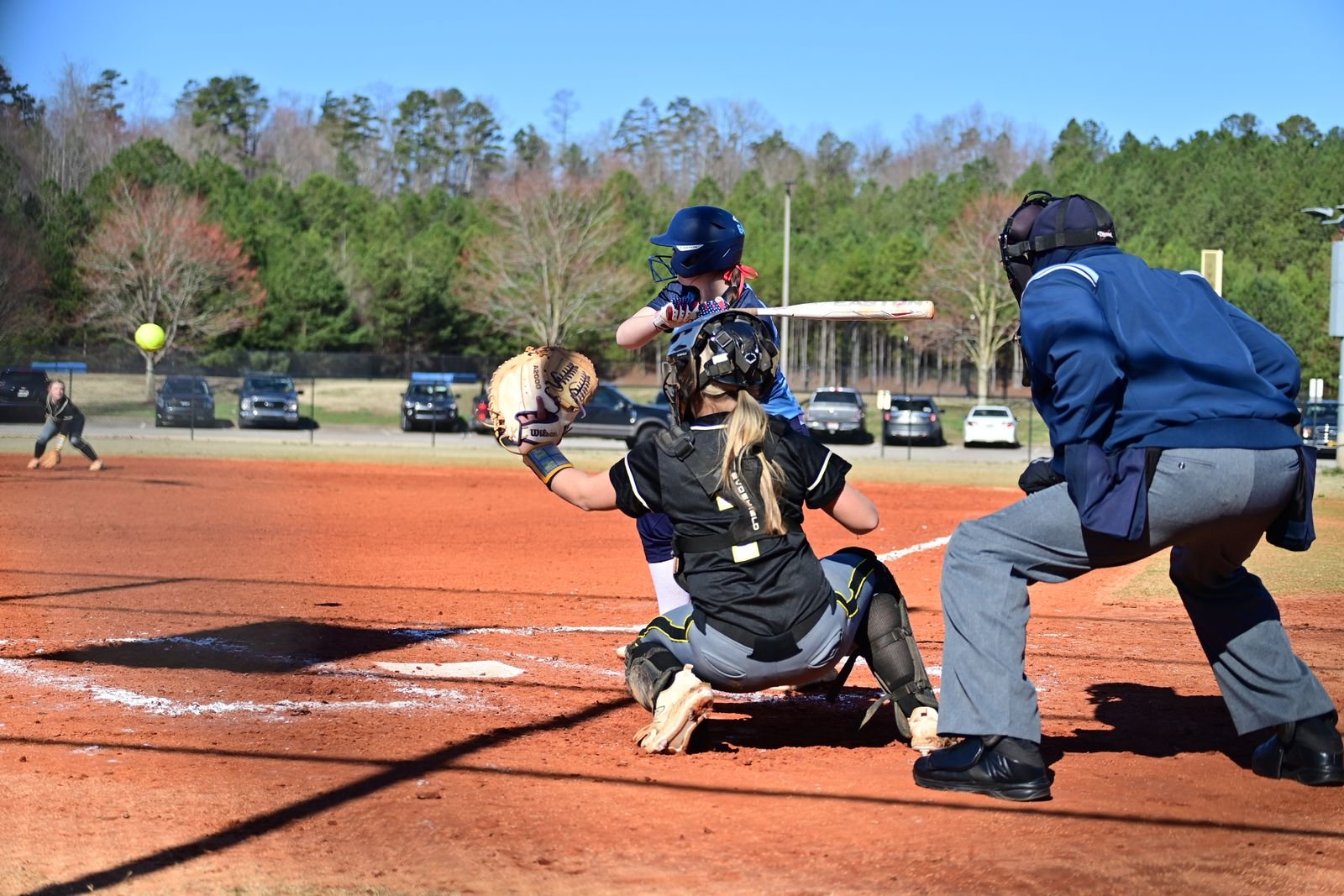
Foul tips and plays at the plate are part of a catcher's job. Our piece on catcher development covers the position in more depth.
Signs and Symptoms to Watch For
The CDC separates what a player feels (symptoms) from what adults can see (signs). Its signs and symptoms page lists these for school-age children and teens.
Symptoms a player may report:
Headache, nausea, dizziness, or balance problems
Being bothered by light or noise, or vision problems
Feeling foggy, slowed down, or having trouble concentrating or remembering
Feeling more emotional, irritable, anxious, or sad
Sleeping more or less than usual, or trouble falling asleep
Signs adults may see:
Appearing dazed, stunned, or confused about recent events
Answering questions more slowly than usual
Seeming clumsy or unsteady
Vomiting right after the injury
Mood, behavior, or personality changes
The CDC stresses that signs and symptoms can take hours or days to appear, so a player who seems fine in the dugout still needs to be watched that night and the next day.
Danger Signs That Need Emergency Care
The CDC says to call 911 or go to the emergency department for danger signs such as seizures, repeated vomiting, slurred speech, weakness or numbness, increasing confusion or drowsiness, a worsening headache, or one pupil larger than the other.
What to Do in the First Few Minutes
The CDC guidance on how to respond to a possible concussion is direct:
Remove the player from play right away if a concussion is suspected.
Check for danger signs and get emergency care if any appear.
Keep the player out for the rest of that day and until a healthcare provider clears them.
Do not try to judge how serious it is yourself. Only a healthcare provider should assess a possible concussion.
The CDC warns that athletes who return too soon, while the brain is still healing, have a greater chance of a repeat concussion. Sitting a player out when in doubt is the safe call, even in an elimination game. The CDC also suggests telling the provider how the injury happened, about any loss of consciousness, memory loss, or seizures, and about previous concussions, so write those details down at the field.
Return to Learn Comes First
School is usually the first step back. The CDC page on returning to school after a concussion says most children can return to school within 1 to 2 days, often while still having some symptoms, and that short-term changes to workload and schedule can help. Tell teachers and the school nurse what happened so they can watch for problems and adjust.
The CDC also notes that an athlete should be back to all regular non-sports activities, without extra support, before finishing the return to sports process.
The Six Step Return to Play Progression
The CDC's six step return to play progression is based on the international consensus on concussion in sport. A player should only start it with approval from a healthcare provider, and each step typically takes at least 24 hours.
Back to regular activities, such as school, with a provider's green light.
Light aerobic activity, about 5 to 10 minutes on an exercise bike, walking, or light jogging. No weight lifting.
Moderate activity, such as moderate jogging, brief running, and lighter weight training.
Heavy non-contact activity, such as sprinting, a regular weight routine, and non-contact sport drills.
Full practice.
Competition.
If symptoms return at any step, the player should stop and the family should contact the provider; after more rest, the player restarts at the previous step. That means no extra cage swings or long toss before the provider says so.
State Laws and Travel Teams
Every state and the District of Columbia has a youth sports concussion law. A 2026 review of state statutes found that all of them require removing an athlete from play when a concussion is suspected or signs appear, and medical clearance before return. The details differ, including who may give clearance. The Network for Public Health Law also tracks whether each state's rules reach recreational sports, so do not assume a private club follows the same steps as a high school team.
Questions to Ask Your Travel Team Before the Season
Before you commit for 2027, ask the coach or organization:
Do you have a written concussion plan, and can families see it?
Have coaches completed concussion training?
Who decides to pull a player during a tournament, and how are parents told?
Does the team require written clearance from a healthcare provider before a player returns?
How do you check that catcher's helmets and batting helmets fit each player?
Is there an athletic trainer at practices or events?
If you are comparing programs, these questions belong with the others in our guide to choosing the right travel baseball team, and family reviews on Curveball Critiques can show how other families describe a program's communication. Supporting a player calmly through a recovery is also part of the habits of a great baseball parent.
At CurveballCritiques.com we believe that a player's long-term health matters more than any single at-bat, game, or showcase. Learn the signs, sit a player out when in doubt, follow the provider's plan step by step, and choose teams that take head injuries as seriously as you do. That approach keeps players on the field for the seasons that count.