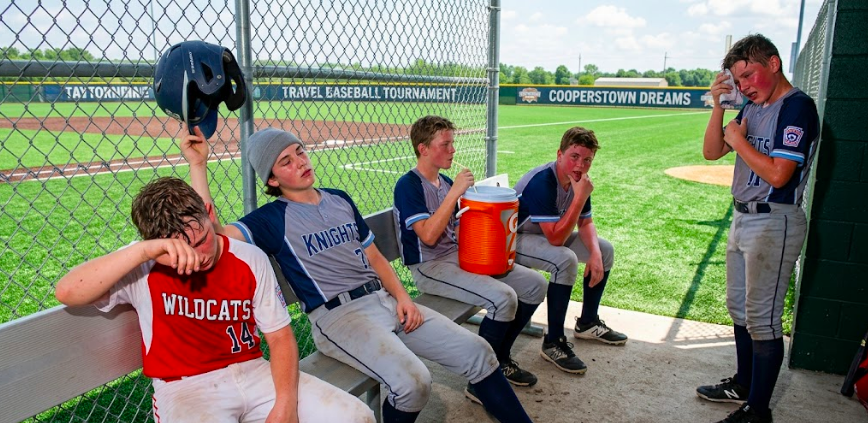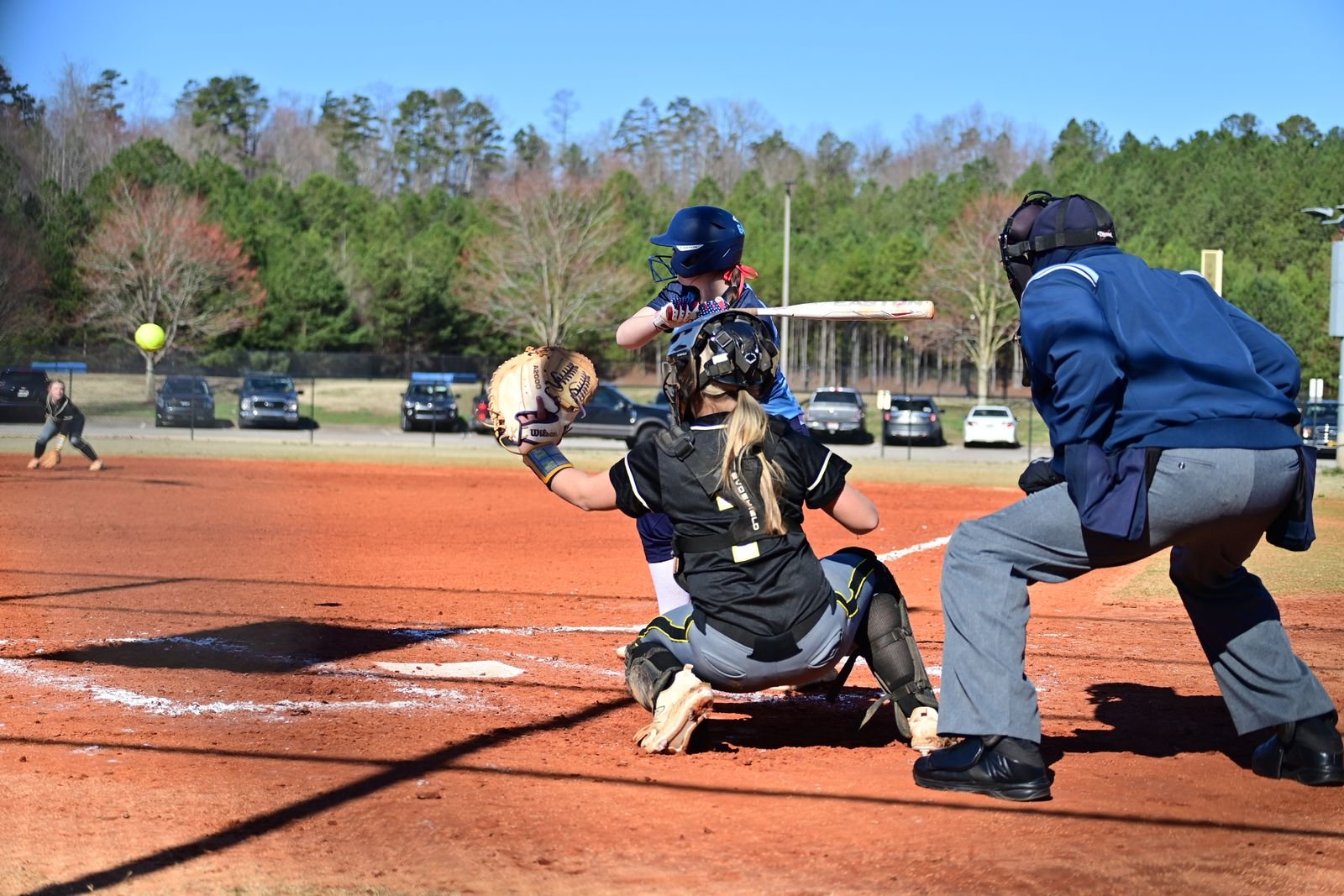
The modern travel baseball and softball calendar is relentless. Between spring leagues, summer tournaments, fall ball, and winter showcases, it is common for a young athlete to play 60, 70, or even 80 games in a single year. While the competition and exposure are unmatched, this volume of play puts an immense strain on developing bodies and minds.
Many families look for solutions in the wrong places. They spend hundreds of dollars on compression boots, massage guns, and exotic dietary supplements, hoping for a quick fix. However, the real secret to sustaining performance over a long season lies in basic, low-cost habits. By focusing on the fundamentals of sleep, nutrition, and mental decompression, families can protect their athletes from injury and keep them loving the game.
Sleep: The Free Superpower You Might Be Overlooking
When it comes to youth athlete sleep nutrition, sleep is the undisputed champion of physical repair. During deep sleep, the body releases growth hormone, which repairs micro-tears in muscle tissue caused by swinging, throwing, and sprinting. Sleep is also when the brain consolidates muscle memory, turning the afternoon's batting cage adjustments into permanent skills.
Unfortunately, travel ball schedules are hostile to good sleep. Early morning warm-ups, late-night bracket games, and noisy hotel corridors make consistent rest difficult.
To combat this, families can implement a few low-cost strategies to optimize sleep quality on the road:
* Keep a consistent wake-up time: While bedtime might fluctuate due to game schedules, keeping the wake-up time within a 60-minute window helps maintain the body's natural circadian rhythm.
* Create a portable sleep kit: A simple eye mask, earplugs, and a portable white noise machine (or a free white noise app on a phone) can turn a loud, brightly lit hotel room into a sleep sanctuary.
* Cool down the room: The body sleeps best in cooler temperatures, ideally between 65 and 68 degrees Fahrenheit. Lowering the thermostat in the hotel room before heading out to dinner can make a noticeable difference in sleep depth.
* Establish a screen-free wind-down: Blue light from smartphones and tablets suppresses melatonin production. Encouraging athletes to put their phones away 30 minutes before bedtime allows their brains to transition naturally into sleep mode.
Fueling the Fire: Practical Tournament Nutrition
Nutrition is the second pillar of travel baseball recovery. Young athletes do not need expensive pre-workout powders or trendy energy drinks. In fact, many of these products contain high levels of caffeine and artificial ingredients that can lead to dehydration and energy crashes.
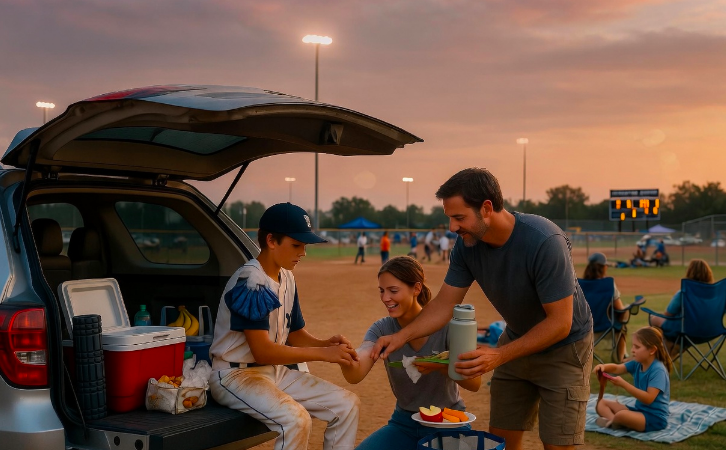
Instead, the goal should be consistent, real-food nutrition that sustains energy over multiple games. The secret weapon here is a well-stocked cooler, which saves money and keeps athletes away from the concession stand.
A practical tournament-day nutrition plan focuses on simple, easily digestible carbohydrates and lean proteins:
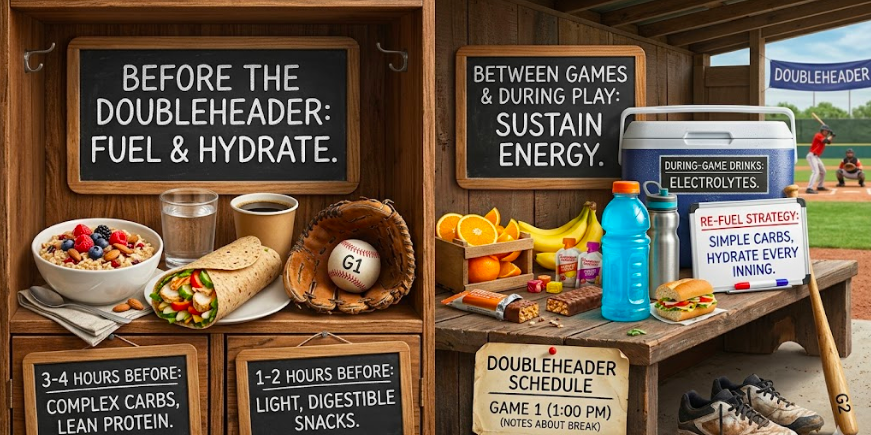
* Before the game: Oatmeal with bananas, or whole-wheat toast with peanut butter. These provide slow-releasing energy without weighing the stomach down.
* Between games: Avoid heavy, fried foods. Instead, offer orange slices, watermelon, pretzels, or turkey wraps. These options replenish glycogen stores and provide sodium to prevent cramping.
* After the final pitch: Within 45 minutes of finishing the last game, the body is primed to rebuild. A simple chocolate milk, followed by a balanced meal of chicken, rice, and vegetables, provides the perfect ratio of carbohydrates and protein to kickstart recovery.
Hydration is equally critical. Dehydration reduces reaction time, muscle endurance, and mental focus. Rather than relying solely on sports drinks, which are often loaded with sugar, encourage athletes to drink water throughout the week, not just on game days. A pinch of sea salt and a squeeze of lemon in a water bottle can act as a natural, low-cost electrolyte replacement.
The Mental Game: Burnout Prevention and Decompression
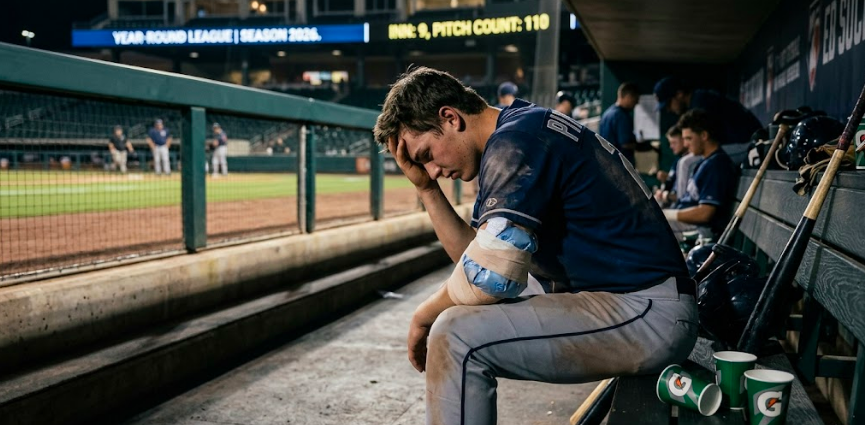
While physical fatigue is easy to spot, mental fatigue is often invisible. The constant pressure to perform, combined with the stress of schoolwork and travel, can quickly lead to psychological exhaustion. Addressing mental health travel ball challenges is just as important as managing physical soreness.
Effective burnout prevention kids sports strategies start with the car ride home. For many young athletes, the post-game car ride is the most stressful part of the weekend. If the first question from a parent is a critique of a strikeout or an error, the athlete associates the sport with stress rather than enjoyment.
To foster mental recovery, establish a cool-down period after games. Let the athlete initiate the conversation about the game. If they want to talk about it, listen. If they want to sit in silence or talk about something completely unrelated, respect that space.
Additionally, encourage identity diversification. An athlete who defines themselves solely by their batting average or pitching velocity is highly vulnerable to anxiety. Encourage hobbies, friendships, and activities outside of sports. This helps them understand that their value as a person is not tied to their performance on the field.
Finally, schedule mandatory off-weeks. No matter how dedicated an athlete is, their mind and body need time to completely detach from the sport. A weekend spent camping, playing board games, or just hanging out with friends can do wonders for recharging their competitive battery.
Balancing the Books and the Ball: Weekday Integration
The recovery process does not end when the Sunday championship game is over. The transition back to the school week is where many athletes struggle. Balancing homework, team practices, and recovery requires a structured approach.
Encourage your athlete to use Sunday evening to prepare for the week ahead. Packing school bags, organizing uniforms, and planning lunches ahead of time can reduce weekday morning stress. Additionally, light active recovery on Mondays, such as a casual walk, gentle stretching, or swimming, can help flush out lactic acid and ease muscle soreness without adding physical stress.
Small Habits, Big Results
Sustaining a 60-game season does not require a massive financial investment in recovery gadgets. It requires a commitment to the fundamentals: consistent sleep, real-food nutrition, and mental decompression. By prioritizing these low-cost, high-impact habits, families can help their young athletes stay healthy, perform at their best, and, most importantly, keep enjoying the game they love.
At CurveballCritiques.com we believe that youth sports should build healthy, resilient individuals, not just high-performing athletes. By focusing on practical, sustainable recovery habits, families can protect their children's physical and mental well-being while supporting their athletic dreams.