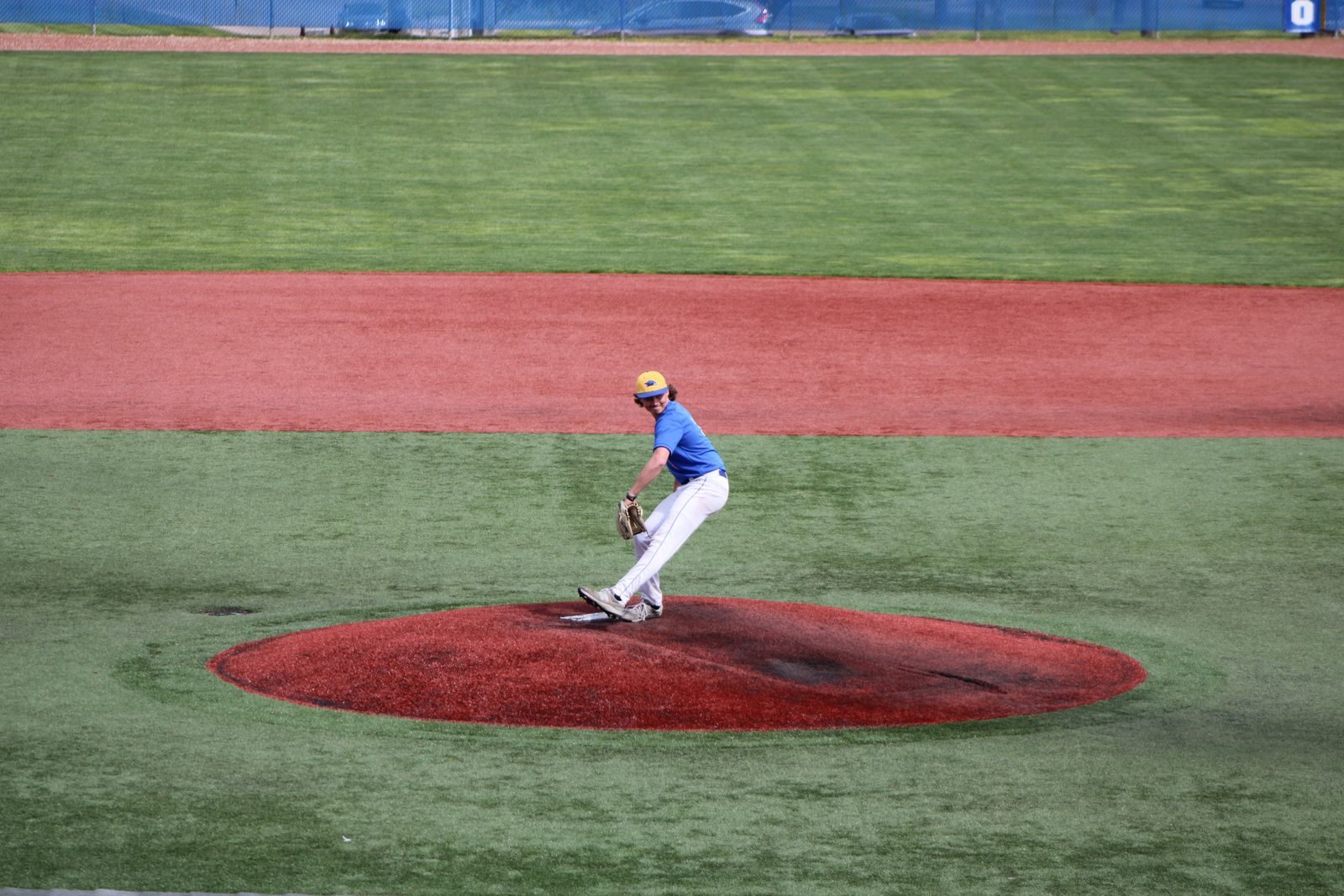
A lot of good high school baseball and softball players spend the winter waiting. They play a strong summer, post a few clips, and hope a college coach notices. Many get noticed because they sent a clear, honest email to the right coaches instead.
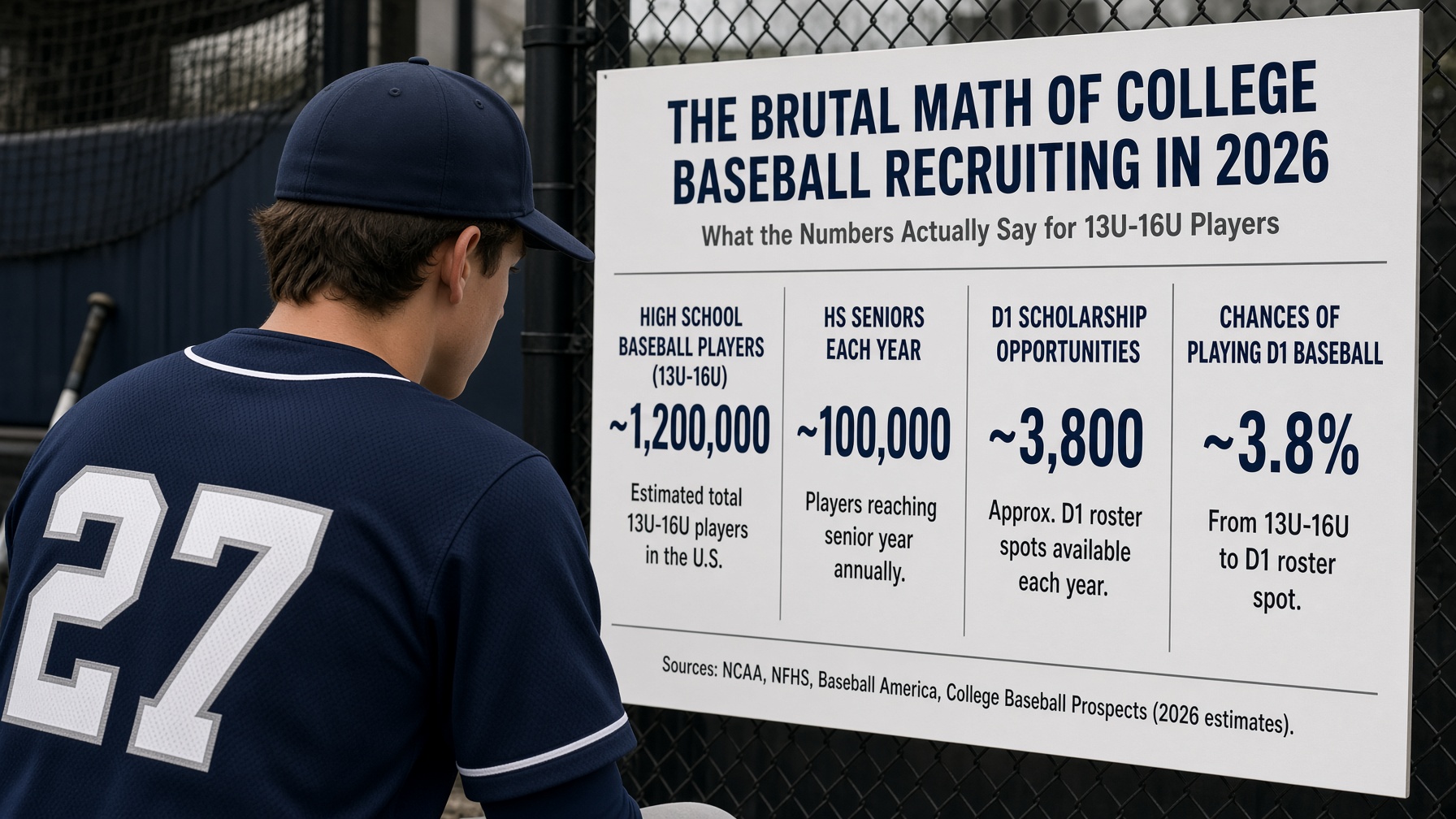
Winter is a good window for that email. Fall ball is over, spring schedules are coming together, and college staffs are building their lists for summer evaluation. This guide covers how a 15U to 17U player can write that email, who to send it to, how the contact rules work, and how to follow up without becoming a pest. If you want the bigger picture on recruiting odds first, start with our article on the brutal math of college baseball recruiting.
What the Contact Rules Mean for Your Inbox
NCAA rules limit when college coaches can send recruiting messages to you. They do not stop you from writing to them. A sophomore can email a coach today. The coach may simply not be allowed to answer in a personal, recruiting way yet. Here is how the main timelines work:
Division I baseball: coaches may begin phone calls and electronic messages such as email on August 1 at the start of a player's junior year, and official and unofficial visits begin September 1 of the junior year.
Division I softball: recruiting materials, electronic messages, and expense-paid visits are not allowed until 1 p.m. Central time on September 1 at the start of the junior year.
Division II: the NCAA's Division II recruiting guide opens up recruiting activity, including off-campus contact and official visits, after June 15 before the junior year.
Division III: coaches face no limit on the number or timing of phone calls, though in-person contact off campus waits until after the sophomore year.
NAIA and junior college programs follow their own rules, so check each program you contact. Rules change, so confirm current dates with a school's compliance office.
What this means in practice: a 15U or 16U player who emails a Division I coach before the junior-year date should not read silence as rejection. The email still does its job. It puts your name, your video, and your schedule in front of the staff so they can evaluate you, and it gives them a reason to look for you once they are allowed to reach out.
Build a Realistic School List First
The most common mistake is sending one email to the 30 programs a player watches on TV. Start with fit instead. A useful list has three tiers:
Reach schools: programs where you would need real growth over the next year to be considered.
Target schools: programs where your current skills, size, and numbers look similar to their recent recruits.
Likely schools: programs where you would probably contribute early, including Division II, Division III, NAIA, and junior college options.
For each school, look at the current roster. Check how many players are at your position and what class they are in, where the program usually recruits from, and whether the academics, cost, distance, and campus fit what you want. Twenty to forty schools across those tiers is a manageable list for most players, and the list will change as you grow.
What to Put in the Email
College coaches read a lot of email, so short and specific wins. A strong first email fits on one phone screen and covers:
Subject line: grad year, position, name, and one key detail. For example: 2028 RHP / 3B, [Your Name], 3.6 GPA, Spring Schedule Inside.
Who you are: full name, high school, travel team, city and state, graduation year, and positions.
Why this school: one or two sentences that show you looked at the program, such as its major, its style of play, or its roster needs. Never send the same paragraph to every coach.
Academics: GPA, the courses you are taking, and test scores if you have them.
Measurables you can back up: height, weight, and verified numbers from a reliable source. Only list numbers someone actually measured.
Video: one link to a short, recent clip, ideally under three minutes, with your best work first.
Schedule: your spring high school and summer travel events, with dates, locations, and your jersey number.
Contacts: your email and phone, plus your high school and travel coaches' contact information.
A simple structure looks like this:
A greeting using the coach's name, spelled correctly.
One sentence on who you are and why you are writing.
One short paragraph on why this program interests you.
Your key details in a short list.
Your video link and schedule.
A thank you and your contact information.
Proofread it, then read it out loud. If it sounds like an adult wrote it, rewrite it in your own words.
Why the Player, Not the Parent, Should Send It
Coaches are recruiting a future player and teammate, not a family. An email written and sent by the player shows maturity, interest, and communication skills, which are part of what staffs evaluate. A parent sending the email, or writing it in the player's voice, can raise a question about who is actually driving the process.
Parents still have a real role. They can help build the school list, check facts and spelling, keep a shared spreadsheet of who was contacted and when, and talk through costs and distance. They should stay copied or informed, but the player should hit send and handle the replies.
How Often to Follow Up
A single email rarely does the job. A reasonable rhythm keeps you in front of coaches without flooding their inbox:
Initial email: this winter, with your spring and summer schedule.
First follow-up: after something new happens, like a strong early-season stretch, an updated video, a new verified number, or a change in your schedule.
Event reminder: about a week before a tournament or camp where that program's coaches may be present, with your field, time, and jersey number.
After an event: a short thank-you note if a coach watched you or spoke to you.
Each follow-up should add something new. Track every message in a simple spreadsheet so you never send the same note twice. If a coach replies with a questionnaire, a camp invite, or a request for more video, answer promptly and completely.
Let an Honest Player Profile Do the Heavy Lifting
The email is the introduction. The profile is where a coach goes to learn more. A clean, honest profile with your stats, video, academics, schedule, and coach contacts lets you keep the email short, because one link holds everything else. It also keeps your story consistent across every school you contact.
Honest matters. Inflated numbers or an overly edited highlight reel can hurt your credibility once a coach sees you play. We cover how to build a profile without spending thousands on exposure events in our player profile guide, and how social media fits next to that in this article on getting seen versus getting recruited. If you want a single place to send coaches, Curveball Critiques Player Profiles are built for exactly that.
A Simple Winter Plan
This month: build your three-tier school list and set up a tracking spreadsheet.
Next month: cut a short, current video and finish your profile.
Before spring practice starts: send personalized first emails with your spring and summer schedule.
During the season: send follow-ups only when you have something new to share.
At CurveballCritiques.com we believe that the best recruiting emails come from players who know their game, know their schools, and tell the truth about both. Write it yourself, keep it short, back it up with an honest profile, and let your play on the field carry the rest of the conversation.