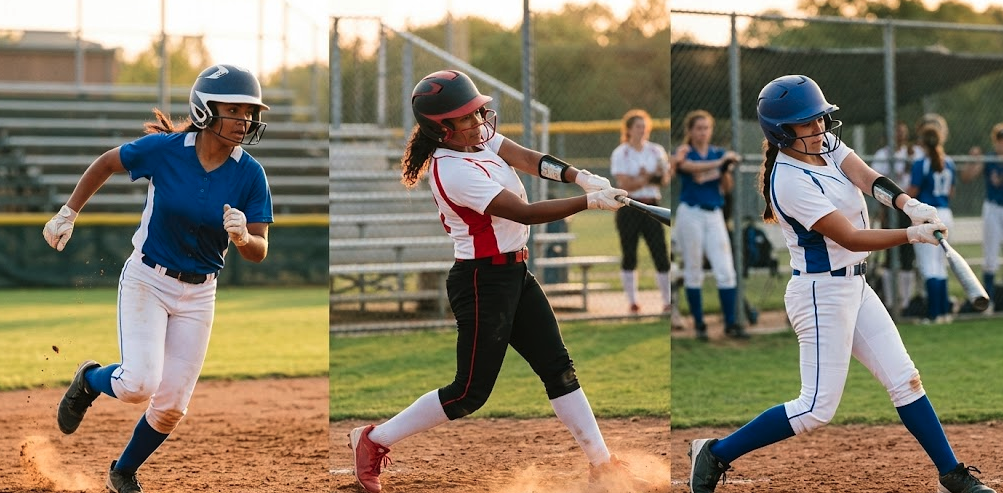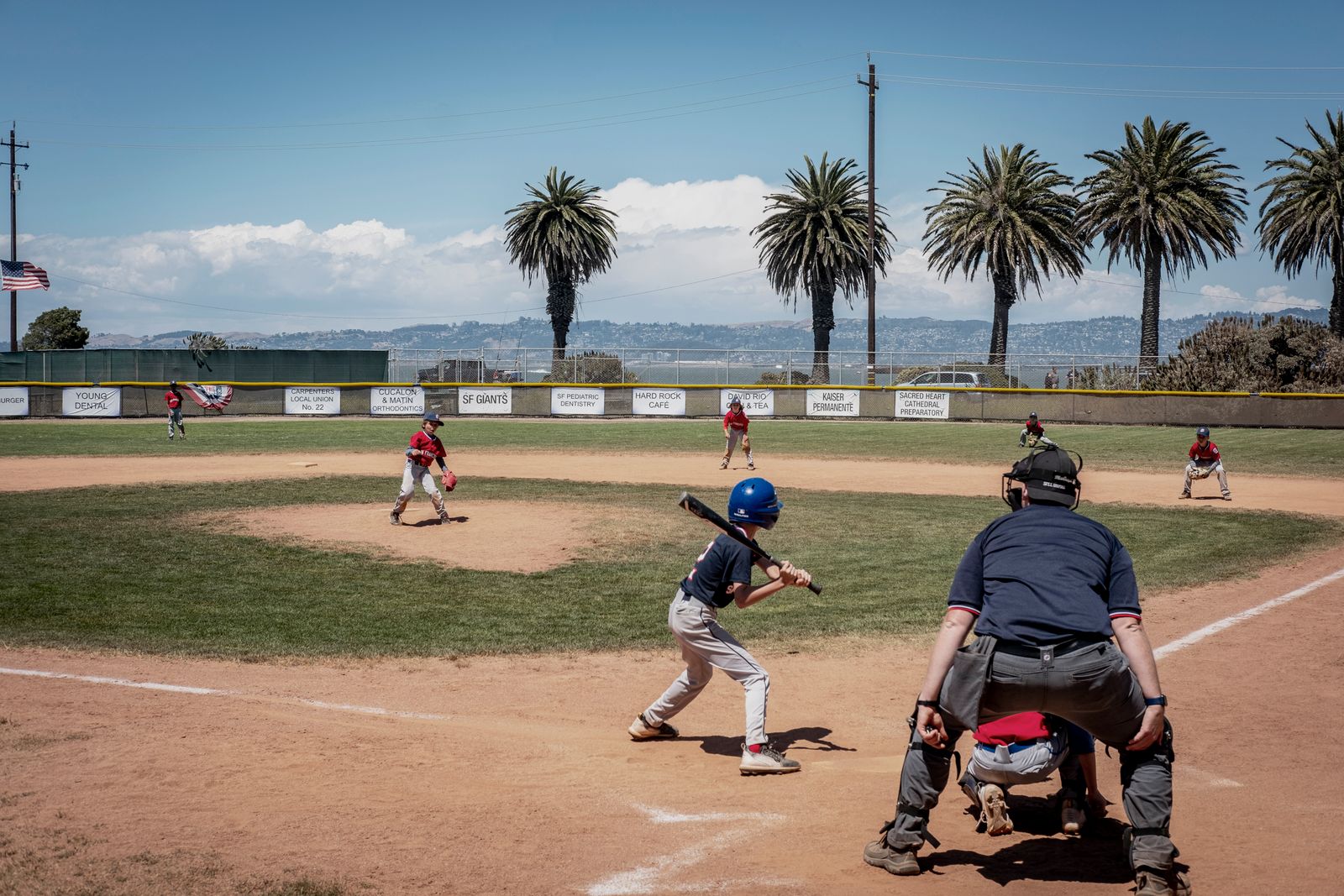
Most baseball and softball families finish the season with hundreds of clips on their phones. Then the phone fills up, and nobody watches any of it again.
That video is one of the most useful development tools a 12U to 17U player has, and it is usually free. According to the Pew Research Center's 2024 survey of U.S. teens, 95% of teens ages 13 to 17 have or have access to a smartphone at home. The camera is already in the house. What most families are missing is a simple process for turning last season's footage into a short list of things to work on this winter.
Why Video Beats Memory, If You Use It With a Plan
Memory is a poor scouting report. Players and parents remember the big hit or the costly error, and those moments shape how a whole season feels. Video shows what happened over and over, which is where useful patterns live.
But hours of footage can be as overwhelming as none. The goal is not to fix everything. It is to find two or three specific things that will matter most by spring.
That focus matters. In a review of decades of goal-setting research published in American Psychologist, psychologists Edwin Locke and Gary Latham reported that specific, difficult goals consistently led to higher performance than simply urging people to "do their best." They also found that goals work better when people get feedback on their progress, and video is a ready-made source of that feedback.
Step 1: Gather and Sort What You Already Have
Pull last season's clips into one folder and sort them into three groups:
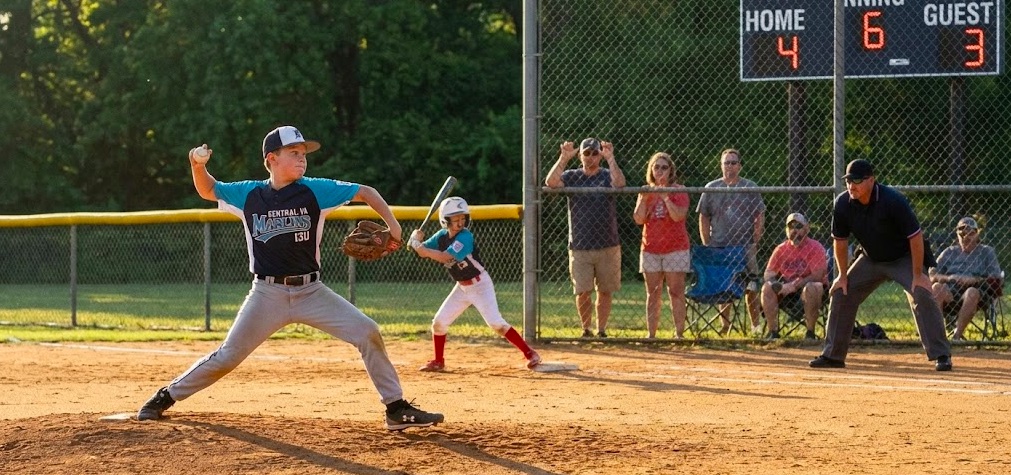
At-bats, ideally from behind home plate or from the side.
Pitching, from behind the catcher or from the side of the mound.
Defense, including throws, ground balls, fly balls, and catching.
Delete clips where the player is too far away to see clearly. Fifteen to twenty good clips per category is plenty to start.
Next, gather a few simple numbers from the team's scorebook or scoring app. You do not need advanced metrics. For hitters, plate appearances, walks, strikeouts, and on-base percentage tell a lot. MLB's glossary defines on-base percentage as how often a batter reaches base per plate appearance, counting hits, walks, and hit-by-pitches but not errors or fielder's choices. For pitchers, track walks and strikeouts against total batters faced, which is how MLB calculates strikeout rate.
The stats point you to a question, such as why strikeouts climbed in the summer, and the video helps answer it.
Step 2: Review in Short Sessions With a Few Questions
Keep review sessions to about 20 or 30 minutes, and watch each clip at normal speed before slowing it down. Apple's iPhone user guide notes that video recorded at faster frame rates can be played back at slower speeds, but also that faster frame rates and higher resolutions create larger files. Save slow motion for a few key moments.
Go in with a handful of questions for each skill.
Hitting
Does the stance and setup look the same from one at-bat to the next?
Is the front foot down on time, or is the player often late or early?
Which pitches does the player swing at, and which ones lead to weak contact or strikeouts?
What looks different between the at-bats that went well and the ones that did not?
Pitching
Does the delivery look repeatable from the first inning to the last?
Where do the misses go, and is it the same direction most of the time?
Defense
How quick and direct is the first step?
Are the feet set before throws, or is the player throwing off balance?
The most common mistake is overanalyzing. Freezing one frame to fret over an elbow angle rarely helps a young player. Look for things that show up in many clips, not one dramatic moment.
Step 3: Turn Patterns Into Two or Three Goals
Write down the patterns you saw, then choose no more than three to work on. Each goal should say what will change, how it will be practiced, and how you will know it improved.
Here is what that can look like:
"Get the front foot down on time against faster pitching, practiced with timing drills twice a week, and checked with a short side-view clip every few weeks."
"Cut down on walks by throwing more first-pitch strikes, practiced in bullpen sessions, and measured by tracking first pitches in scrimmages."
For complex skills, Locke and Latham noted that a learning goal, such as trying and comparing a few different approaches, can work better than a pure results target. A 13-year-old hitter is often better served by "learn to recognize the pitch I chase most" than by "hit .400 next year."
Let the player help choose the goals. A plan the player owns is far more likely to get done than one handed down from the stands.
When to Bring in a Coach
Families should not try to rebuild mechanics alone. If the same mechanical problem shows up in clip after clip, share a few short clips with the player's coach or a trusted instructor and ask what they see. Our guide on when to hire a hitting coach and when technology can help walks through that decision.
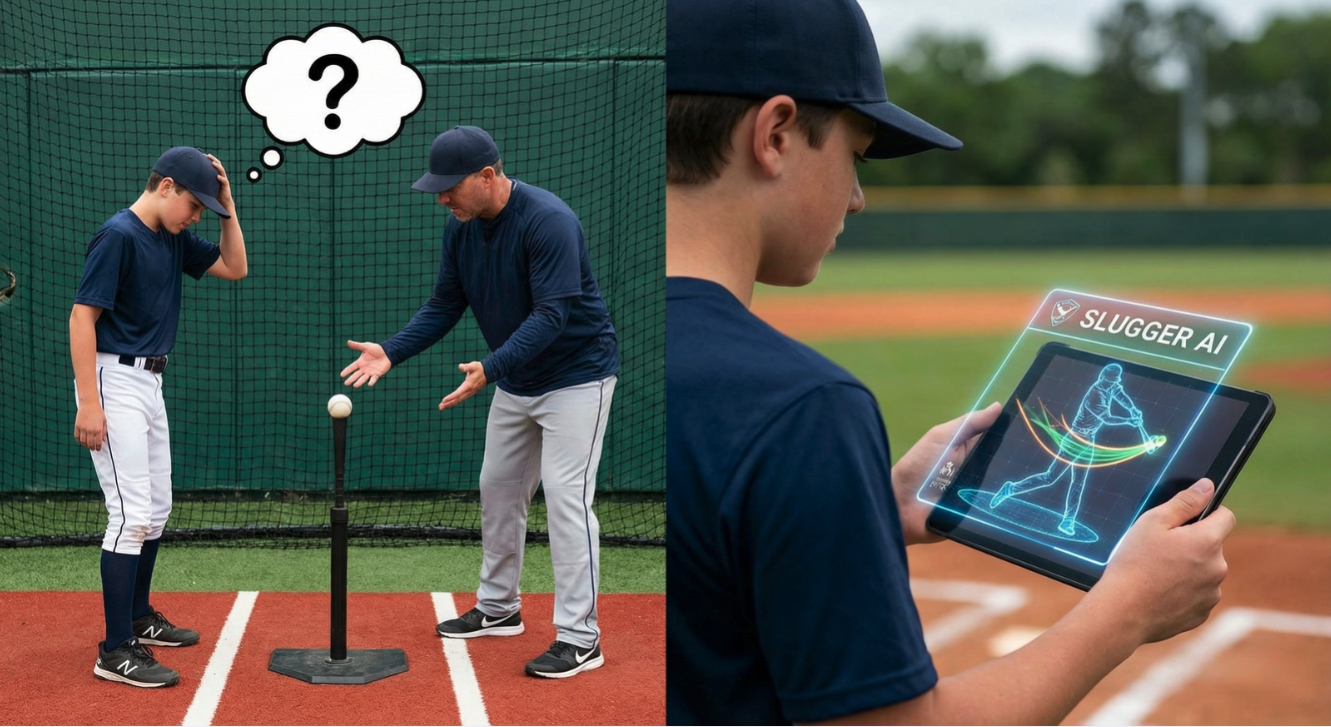
For hitters, Slugger AI swing analysis on Curveball Critiques is one way to check a swing between lessons. It looks at elements like hand load, hip rotation, and head movement and suggests drills, but it is meant as support for a good coach, not a replacement.
If the video shows a player grimacing, shaking out an arm, or changing a motion in a way that looks like guarding against pain, stop the film study and talk to a doctor or athletic trainer first.
Fit the Goals Into a Sensible Winter
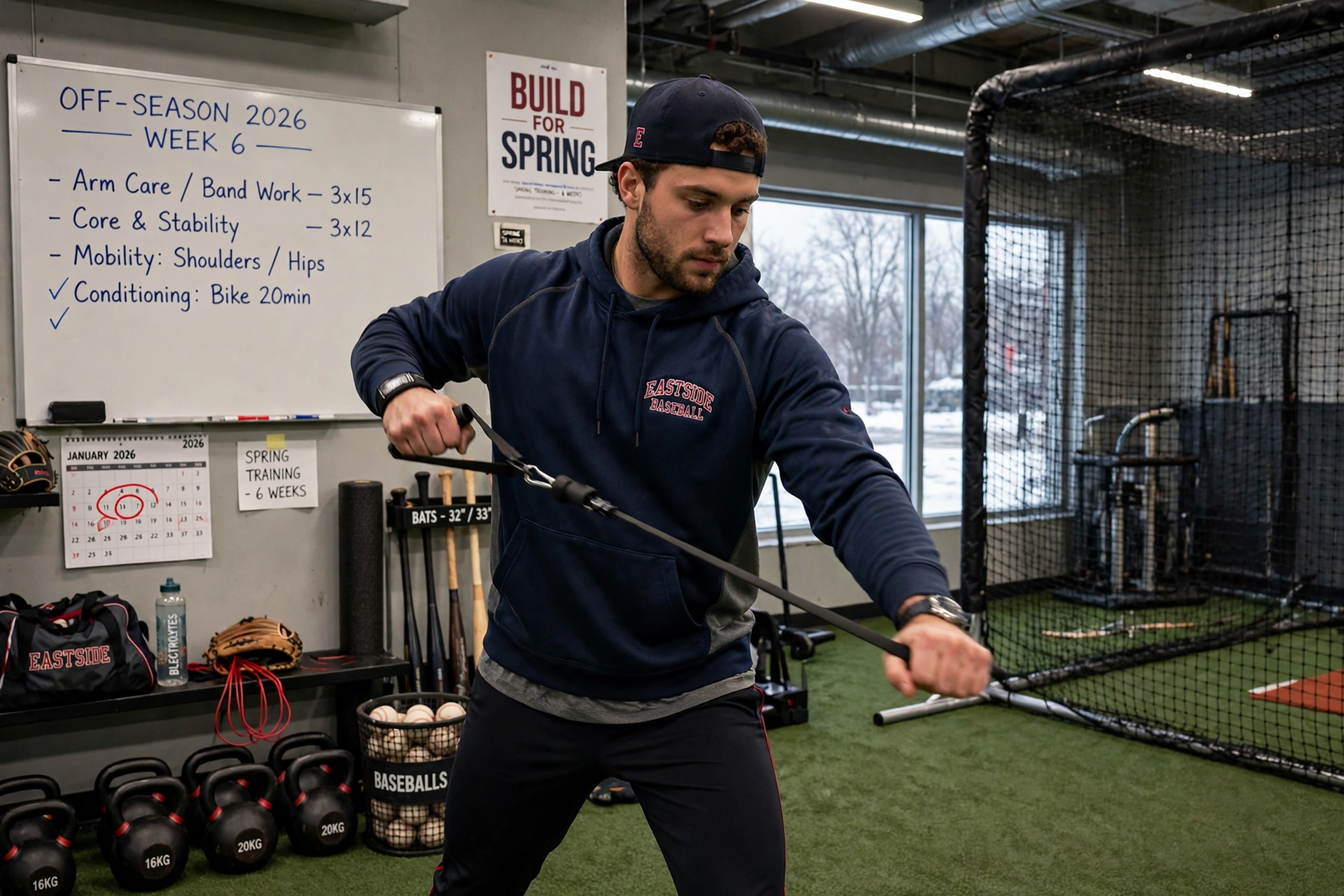
Focused goals also protect against the urge to do everything at once. More baseball-specific work in winter is not always better, as we explain in the offseason training myth. Build the goals into a schedule that still leaves room for rest, strength work, school, and other activities.
Every three or four weeks, film a short check-in clip from the same angle as last season's footage. Comparing like with like makes progress easier to see.
Re-Measure in Spring
When games start, film the same kinds of clips, track the same numbers, and compare them with last season. Be patient. A handful of spring games is a small sample, and a good or bad weekend can swing the numbers. Look for direction over several weeks.
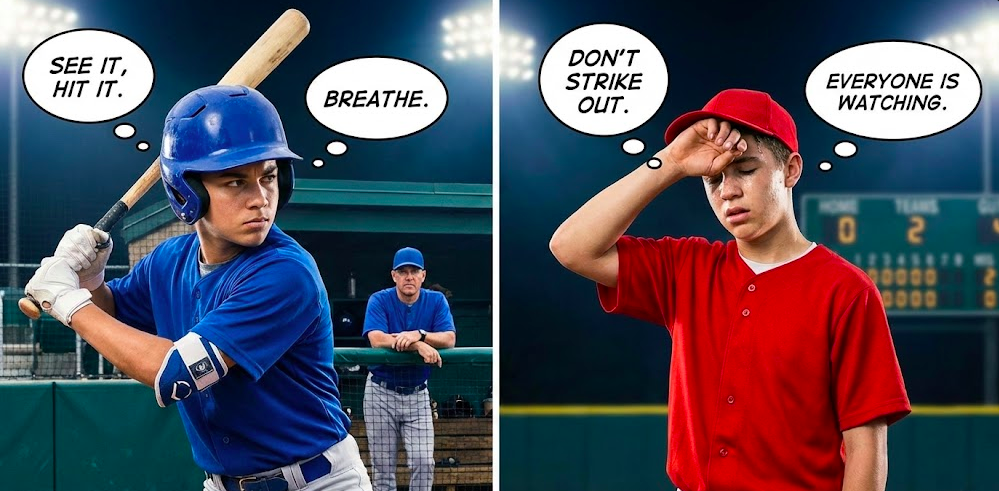
Data should guide a young player, not bury one. If the process starts to feel like pressure, scale it back, a balance we explore in the rise of data-driven youth baseball.
Spring is also a good time to refresh any public profile with current clips. An honest Player Profile with recent video and accurate stats shows coaches who the player is today, not who they were a year ago.
A Note for Parents
Keep film sessions calm and curious. Avoid reviewing video in the car right after a tough loss, and include clips of things that went well, not just mistakes. Film study only works when the player wants to watch.
At CurveballCritiques.com we believe that the best offseason plans are simple, honest, and owned by the player. Last season's video already holds the answers to most of the questions families ask every winter. Spend a few evenings watching it with a purpose, pick two or three goals, and let spring tell you how far your player has come.