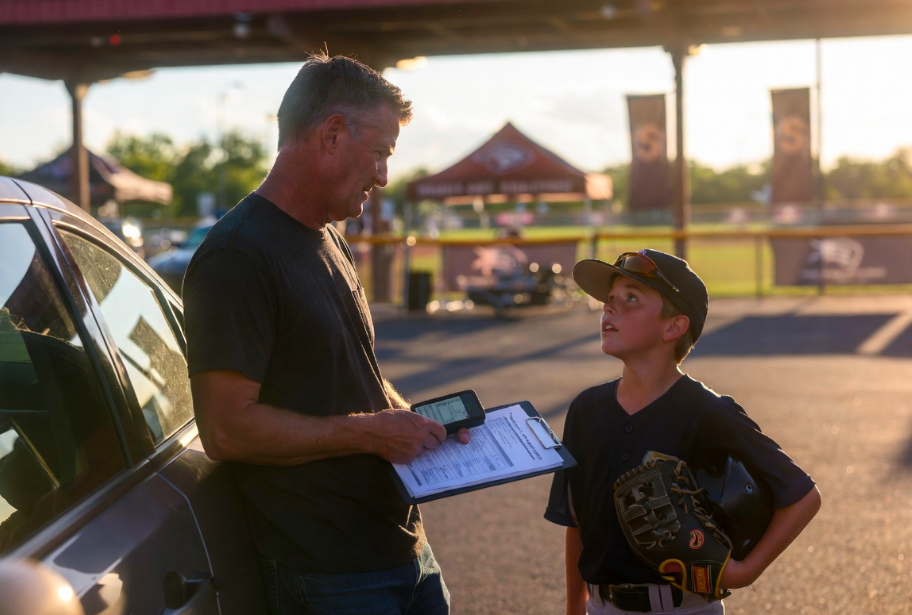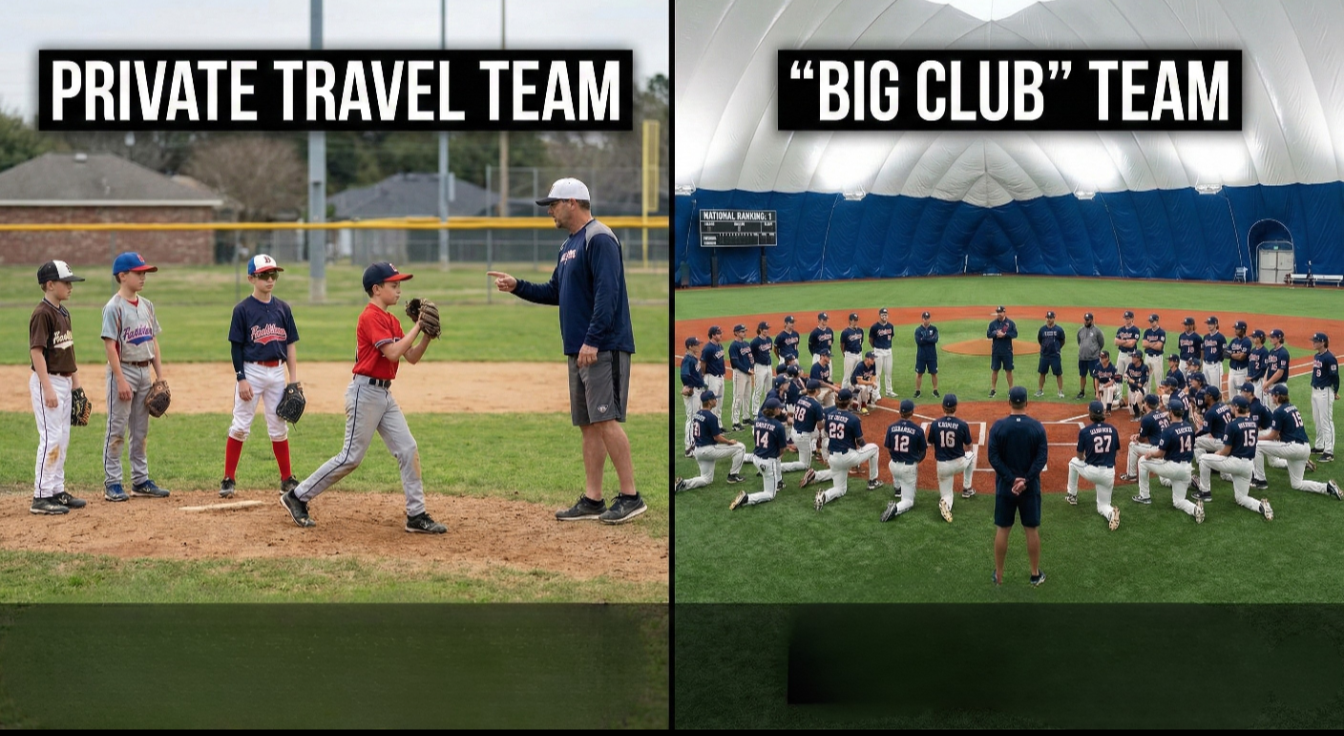
The last fall tournament ends, and within a week the winter calendar starts filling up. A hitting lesson on Tuesday. A pitching or catching lesson on Thursday. Cage time on the weekend, and team workouts that begin in January. Each piece looks reasonable on its own. Stacked together, they can cost a lot of money and leave very little room for the rest that young bodies need.
This guide helps travel baseball and softball families plan November through March: how many lessons make sense, when lessons repeat team practice, how to pick instructors, sales tactics to watch for, and a simple monthly budget. It is general guidance, not medical advice.
Why Winter Lessons Add Up So Fast
Lessons are a real and growing part of what families spend. The Aspen Institute's Project Play 2024 national parent survey found that the average family spent $1,016 on one child's primary sport in 2024, a 46 percent increase since 2019. The report named private instruction and camps among the drivers of that increase, and it found that baseball parents spent more on lessons and instruction than parents in soccer or basketball.
Those are national averages across all ages and levels, so travel families will usually see different numbers. The point is that lessons have become a larger line item, and winter is when they pile up.
How Much Is Too Much?
There is no official lesson limit, but there are useful guardrails for total training load.
Total weekly hours. A 2015 study of 1,190 young athletes in the American Journal of Sports Medicine found that athletes who spent more hours per week in sports than their age in years had higher odds of a serious overuse injury. The same was true when organized sports time was more than twice their free play time. Lessons count as organized sports time.
Days off. The American Academy of Pediatrics, in its clinical report on sports specialization, recommends at least one to two days off per week from organized sports and at least three months off per year from the main sport, in one month blocks.
Throwing rest. For pitchers, MLB and USA Baseball Pitch Smart guidelines advise taking at least four months off from throwing every year, with at least two to three of those months in a row.
Sleep. The CDC recommends 9 to 12 hours of sleep for children ages 6 to 12 and 8 to 10 hours for teens ages 13 to 17. A late lesson on a school night can cut into that more than families realize.
Put together, a sensible winter week for most travel players includes one, sometimes two, focused lessons in their main skill, plus general strength, other activities, and real days off. If a 12 year old is already at 12 hours a week of organized training before lessons, adding two more is not a development plan. It is a load problem. For more on why extra baseball and softball work in winter can backfire, see The Offseason Training Myth.
When Lessons Duplicate Team Practice
Lessons earn their cost when they offer what the team setting cannot: individual attention on one specific skill. They waste money when they repeat what the player already gets.
Ask these questions before booking a winter package:
Does the team already run hitting or pitching sessions this winter? If so, what do they cover?
Is there one clear goal for the lessons, such as a stride problem or a throwing path, or is it general reps?
Will the player have time between sessions to practice what was taught, or will the next lesson arrive before the last one sinks in?
Is the player asking for the lessons, or are the adults?
If the honest answers are "yes, the team covers it," "general reps," "no time," and "the adults," the lessons are likely duplication. In that case, a short block of four to six sessions with a specific goal often makes more sense than an open ended weekly habit. Our earlier piece on when to hire a hitting coach covers how to decide whether one on one instruction is the right first step.
Choose Instructors Who Talk to the Team Coach
Mixed messages are one of the most common winter problems. An instructor teaches one swing, the travel coach teaches another, and a high school coach adds a third. The player ends up confused and the family pays for all three.
Look for instructors who:
Ask who the team coach is and are willing to share a short summary of what they are working on.
Explain the goal of each session in plain language that the player can repeat back.
Track progress with simple notes or video rather than vague praise.
For pitchers, ask about recent throwing load before they start a bullpen.
If an instructor refuses to coordinate or speaks badly about every coach the player has ever had, that tells you something.
Red Flags in Lesson Sales Pressure
Most instructors are honest people trying to help. Still, winter is a busy selling season, and certain tactics are worth recognizing:
Urgency tied to tryouts. "If she does not start now, she will fall behind for spring tryouts." Real development rarely depends on booking this week.
Large prepaid packages. A discount for paying months in advance can make sense, but ask what happens if the player gets hurt, loses interest, or the schedule changes. Get the refund terms in writing.
Guaranteed outcomes. Promises of a roster spot, a velocity jump, or college attention should make you cautious.
Pressure to throw full effort in December. For pitchers who just finished fall ball, that conflicts with the rest guidance above.
A Simple Monthly Winter Training Budget
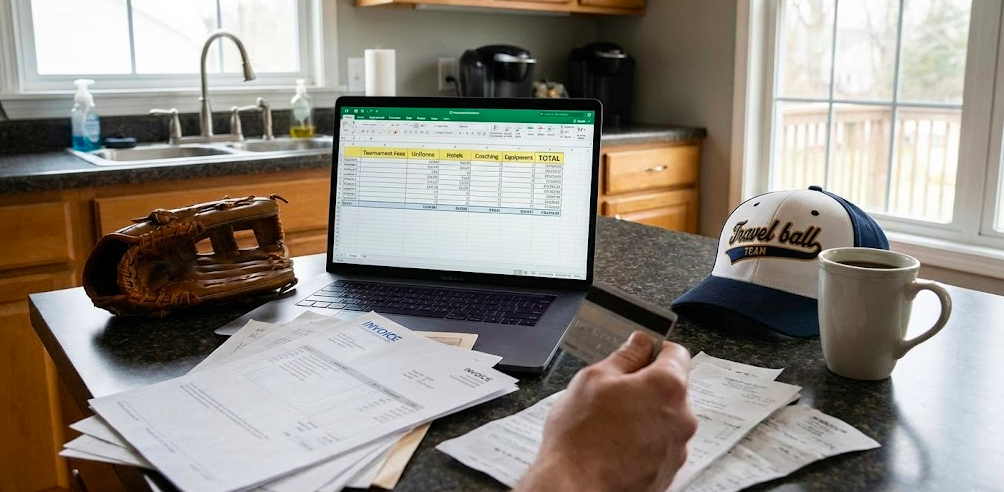
A one page plan works for most families. Start with a winter total your household is comfortable with, then split it by month and purpose. If you want a broader season budget, our guide on budgeting for a travel baseball season walks through the full year.
Set the winter ceiling. Decide the total you will spend from November through March on lessons, cage rental, and winter programs combined. Write it down before you talk to any instructor.
Front load rest, not spending. Plan little or no throwing and lesson spending in the first weeks after fall ball. Spend more in January and February, when lessons can build toward spring.
Split by purpose. Give most of the money to the one skill that matters most this winter. Leave a smaller share for general strength or a second skill.
Hold back a cushion. Keep a portion unspent for an unexpected need, such as a physical therapy visit or a fix that shows up in team practice.
Review monthly. At the end of each month, ask two questions: did the player improve at the goal, and is the player still rested and enjoying it? If either answer is no, cut back rather than add.
Bringing It Together
Winter lessons help most when they are focused, limited, coordinated with the team, and paired with real rest. Protect days off, watch weekly hours, keep throwing rest sacred for pitchers, and set a budget before the first sales pitch arrives.
At CurveballCritiques.com we believe that the best winter plan is the one a family can afford and a young athlete can recover from. Before you commit money to any team or program for 2027, read honest Curveball Critiques reviews from other families, and use what you learn to ask better questions about how your player's winter will actually be spent.