Families entering the 2026 travel baseball market face a harsh financial reality. The days of a modest seasonal fee covering uniforms, tournaments, and a couple of practices a week are gone. Today, youth baseball is a highly monetized industry, and clubs price their services like premium private schools. If you are a parent transitioning your child from local recreation leagues, or an experienced family considering a jump to a different program, you need a clear-eyed look at the ledger.
Understanding travel baseball costs 2026 requires looking past the initial registration flyer. The sticker price is rarely the final price. To make an informed decision, you must understand how clubs structure their pricing, where your money is actually spent, and how to calculate the real return on your investment.
The Real Cost Tiers of 2026
To evaluate a program, you must first identify which tier of travel baseball you are entering. In 2026, the market has settled into three distinct pricing categories:
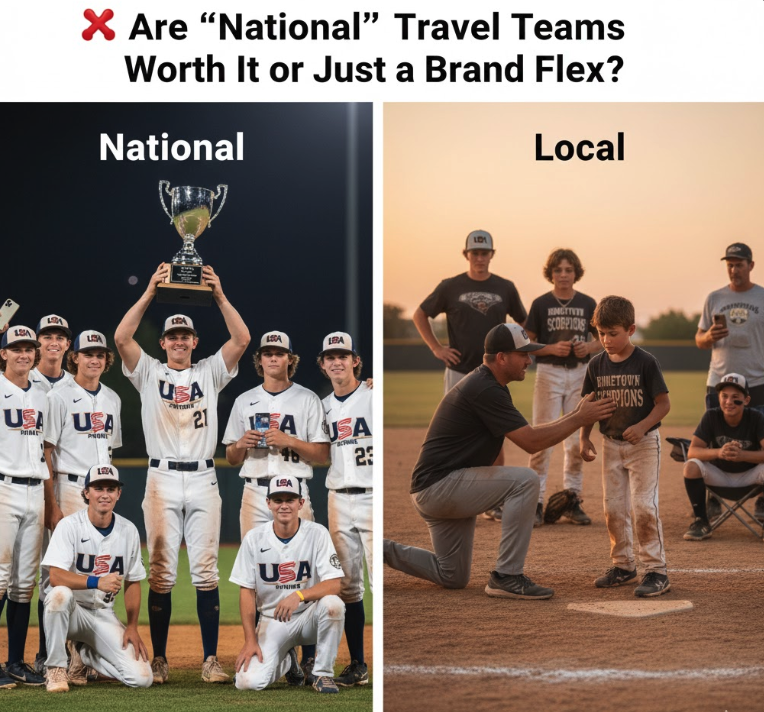
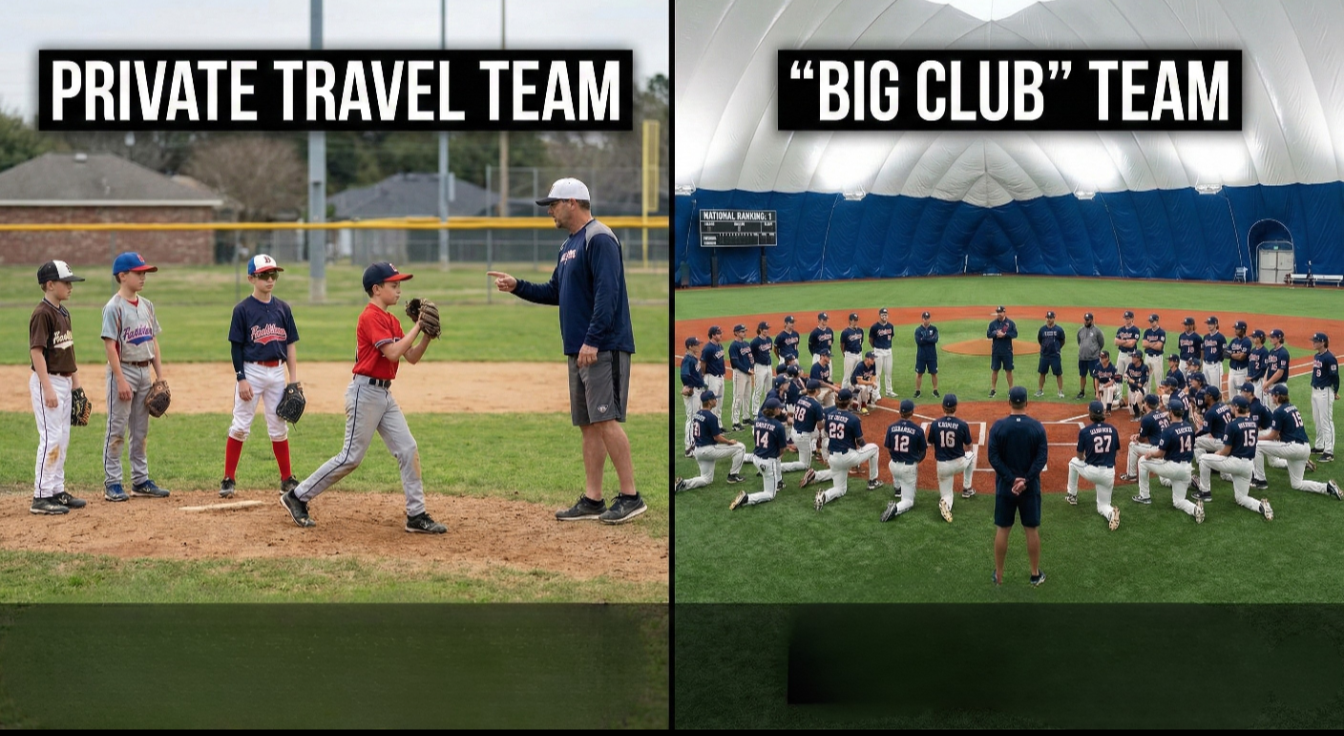
* Local and Regional Developmental Teams ($2,000 to $3,500): These programs focus on local doubleheaders and regional tournaments within a two-hour driving radius. The roster is usually filled with local talent, and coaching is often a mix of paid coordinators and qualified parent volunteers.
* Regional Major Teams ($4,000 to $6,500): These clubs travel across state lines, participate in regional championships, and offer year-round facility access. Coaches are typically paid professionals, and the schedule includes four to six major tournament events.
* National Showcase Programs ($7,000 to $12,000+): These are elite, nationally branded organizations. They require extensive air travel, participation in invite-only national tournaments, and expensive customized gear.
These figures represent the club tuition alone. They do not account for personal travel, lodging, or equipment, which can easily double the annual financial commitment.
Where the Money Actually Goes: The Club Business Model
Many parents assume that a $5,000 player fee guarantees top-tier coaching and premium resources. However, a peek behind the curtain of club operations reveals a different financial structure.
The biggest drain on any travel club's budget is facility overhead. Renting, heating, and maintaining a 15,000-square-foot indoor training facility is incredibly expensive. Because these facilities sit empty during school hours, your evening practice fees subsidize the rent for the entire twenty-four-hour day.
Coaching payroll is another area where reality diverges from expectation. While you may pay thousands of dollars to play for a branded club, the actual head coach of your child's team, often a local college player or a former high school coach, is likely earning a modest stipend of $2,500 to $4,000 for the entire season.
Plus, larger organizations often use a cross-subsidization model. The high fees paid by younger, developmental teams, specifically ages nine through twelve, are frequently used to offset the costs of the club's elite high school showcase teams. These older players, who bring prestige and college commitments to the club's brand, are sometimes given discounted tuition, funded directly by the parents of the younger rosters.
Exposing the Hidden Fees of Travel Teams
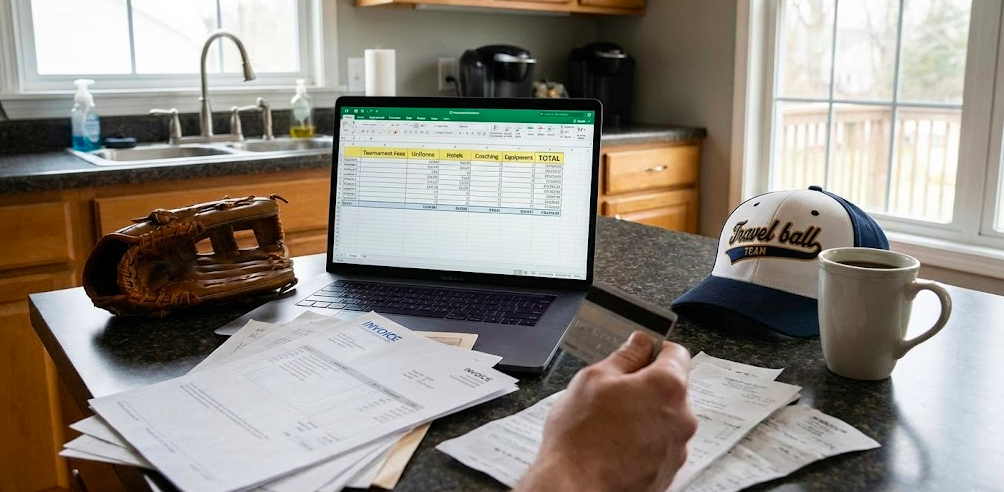
When calculating your budget, the base tuition is only the starting point. You must plan for the hidden fees travel teams frequently leave out of their initial sales pitches.
First is the uniform monopoly. Many clubs now require parents to purchase brand-new uniform packages every single year, even if the player has not outgrown last year's gear. These packages, which often include multiple jerseys, pants, helmets, and custom equipment bags, can cost between $450 and $750 annually.
Second are the tournament travel surcharges. Many organizations charge parents an additional fee to cover the travel, lodging, and daily meal allowances of the coaching staff. This is rarely included in the base tuition and is billed as a mandatory assessment mid-season.
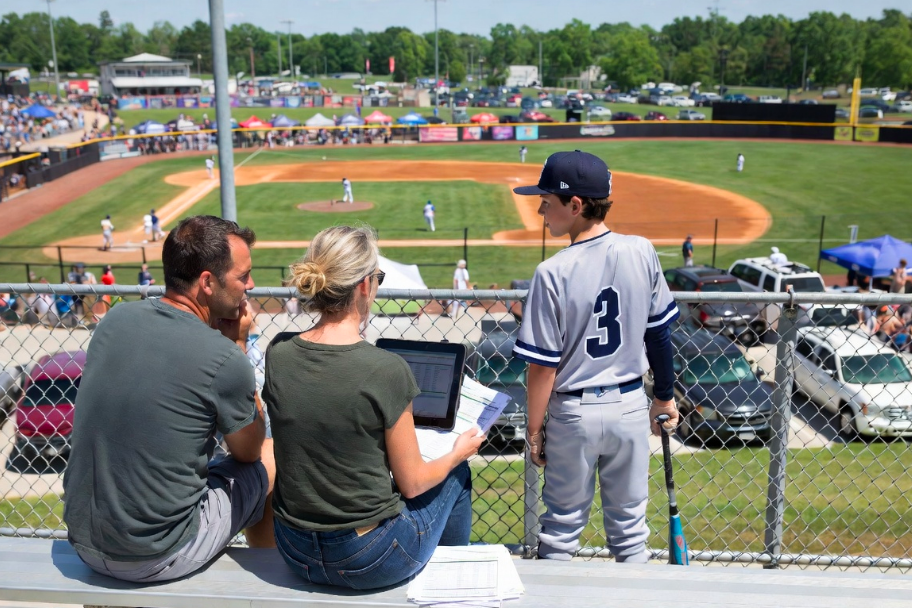
Finally, there are stay-to-play lodging mandates. Many national tournament organizers force families to book hotel rooms through their designated housing services. These rooms are frequently marked up 20% to 30% above the standard market rate, adding hundreds of dollars to your weekend travel expenses.
The ROI Framework: Is Travel Ball Worth It?
With costs soaring, every family must ask the fundamental question: is travel ball worth it? To answer this, you must separate emotional expectations from practical outcomes.
If your goal is a college scholarship, the math is often sobering. The average athletic scholarship for college baseball is partial, rarely covering the full cost of tuition. If you spend $8,000 annually from age nine to seventeen, you will have invested over $70,000 in youth baseball. From a purely financial standpoint, investing that money in a college savings account yields a guaranteed return, whereas a college baseball roster spot is statistically improbable.
Therefore, the value must be found in high-quality player development, character building, and the enjoyment of competitive sports. To ensure you are getting real value, use this three-question audit before signing a contract:
1. Does the club offer a structured, written development curriculum, or are they just playing games?
2. What percentage of my tuition goes toward facility access and professional instruction versus tournament entry fees?
3. Are the coaches on my child's specific team qualified educators, or are we paying premium prices for a parent coach with a club logo on his shirt?
Do not accept vague answers. A reputable club director should be able to provide a clear, itemized breakdown of their program's value proposition.
At CurveballCritiques.com we believe that transparency is the key to a healthy youth sports ecosystem. Families deserve to know exactly where their hard-earned money is going, allowing them to make decisions based on honest value rather than emotional marketing.