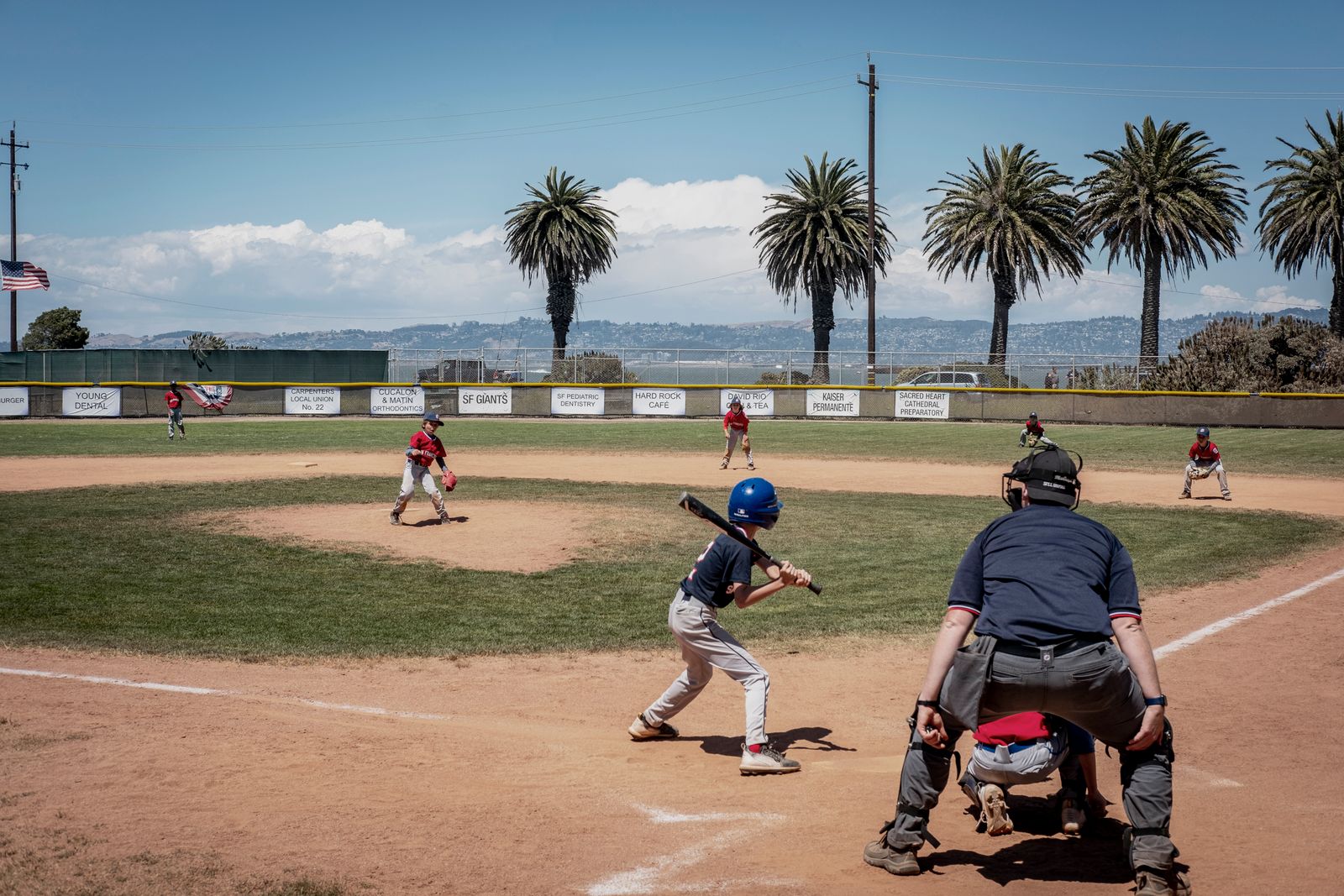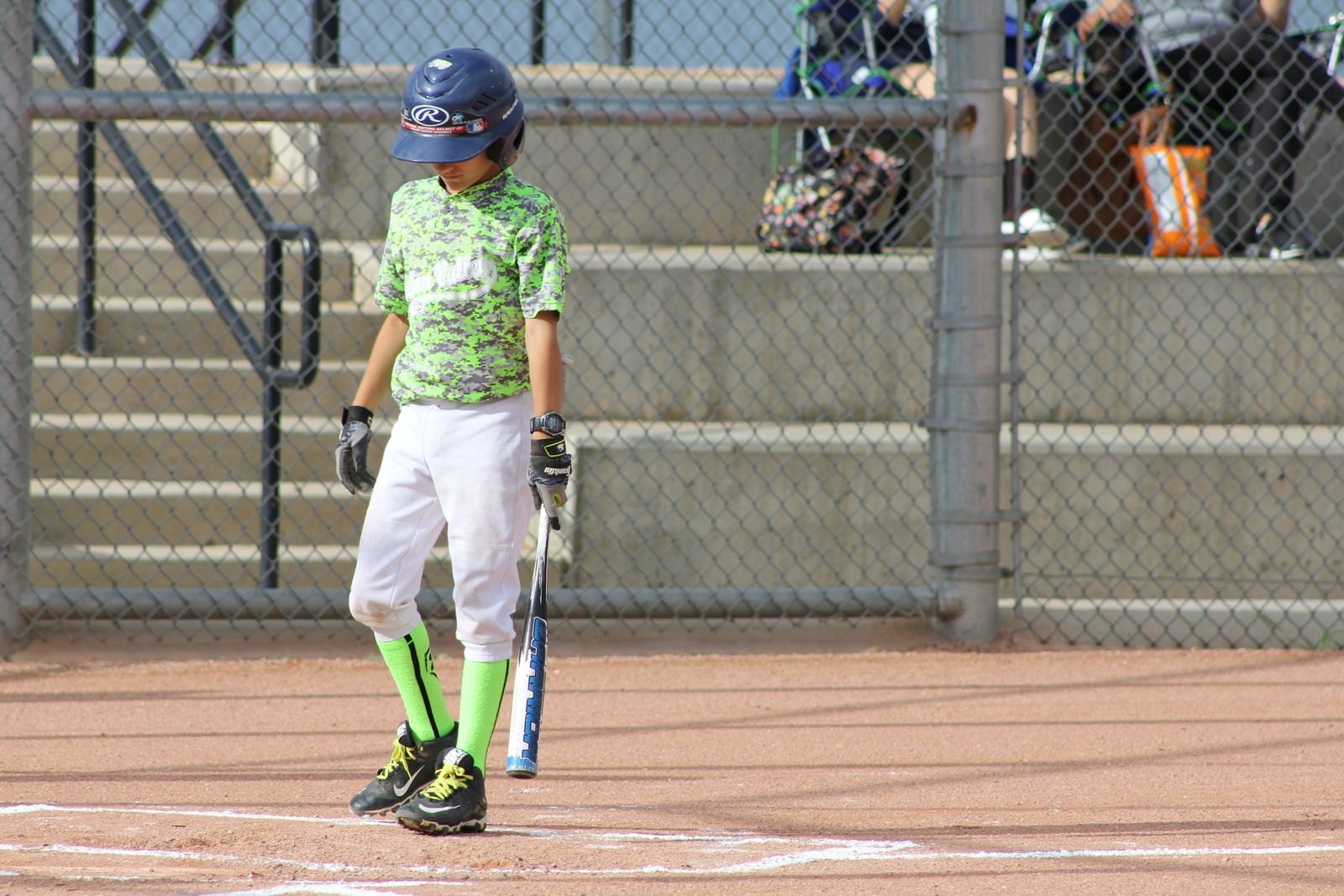
Holiday gifts, winter sales, and a growing player make this the season many families buy a bat. The most important detail on it is not the brand or the price. It is the small certification stamp on the barrel, and the wrong one can make a brand new bat illegal for your player's league, tournament, or high school team.
This youth baseball bat buying guide explains the three stamps you will see most, how to confirm which one your player needs for spring 2027, and how to think about size and price without guessing.
The Three Stamps in Plain Terms
USA Baseball (USABat)
The USABat standard took effect on January 1, 2018. USA Baseball says it sets a wood-like performance level for non-wood youth bats. Little League, Babe Ruth and Cal Ripken, PONY, AABC, and other member organizations use it.
USA Baseball also says that under current standards no USABat can be made longer than 32 inches.
USSSA (1.15 BPF)
USSSA is a large travel baseball organization with its own bat standard. Its national rules say bats for 14U and younger must carry the USSSA 1.15 BPF mark or the BBCOR .50 mark, or be wood from a licensed manufacturer. The same rules say a bat stamped with the USA Baseball logo is legal at USSSA events, except where BBCOR is required.
BBCOR .50
BBCOR is the high school and college standard. Bats must have a drop no greater than 3 (written as -3), a barrel no wider than 2 5/8 inches, and a length no longer than 36 inches, according to USA Baseball's BBCOR page.
USA vs USSSA Bat: Why the Difference Matters
A USSSA bat and a USA Baseball bat can look almost the same on the rack, but they are not interchangeable.
USA Baseball states plainly that bats with the BPF 1.15 stamp are not permitted in leagues that have adopted USABat. A USSSA bat cannot be used in a Little League Majors game.
A USA Baseball bat is generally legal in USSSA play, except in divisions that require BBCOR.
Some travel players end up with two bats, one for the local league and one for travel events. Ask which events your team plans to play before buying.
Little League's bat information page lays out its divisions: Majors and below require the USA Baseball mark with a 2 5/8 inch barrel maximum. Intermediate (50/70) and Junior League allow USA Baseball or BBCOR bats. Senior League requires BBCOR.
The Rule Changes Families Should Know for 2027
USSSA 14U now uses BBCOR
USSSA rules now say 14U players must use a -3 BBCOR or wood bat unless the state where the event is played has adopted a -5 exception. USSSA told members in a rule update notice that the change was approved in January 2026 and applies starting with the 2027 season, which began in August 2026. The same rules cap 13U at a maximum drop of 8 (-8).
BBCOR has a new home
On July 2, 2026, management of the BBCOR standard moved from the NCAA to USA Baseball under the name USA BBCOR. USA Baseball says performance limits and bat specifications will not change. New bats will carry a "USA Baseball BBCOR Certified .50" mark, and USA Baseball says they will reach stores beginning July 1, 2027.
You do not need to replace a current BBCOR bat. In high school, bats already certified BBCOR .50 stay legal with no cutoff date. In the NCAA, they are allowed through the 2027 and 2028 seasons, and starting January 1, 2029 only USA BBCOR bats will be permitted.
Lighter bats in high school, starting in 2028
The NFHS baseball rules now say that effective January 1, 2028, high school players may also use bats marked USA Baseball -4, -5, or -6. USA Baseball announced the change in July 2026.
That does not apply to spring 2027. A BBCOR bat for high school this coming season still needs a BBCOR .50 mark. Little League has said the USA BBCOR transition will not affect its 2027 seasons.
What Size Bat for Youth Baseball?
Size comes down to length in inches, weight in ounces, and drop, which is length minus weight. A 30 inch bat that weighs 20 ounces is a drop 10, written -10. USA Baseball's own decertification notice lists a 30 inch bat this way.
USA Baseball explains that the mass of the bat has a bigger effect on batted ball speed than swing speed, and that "players will hit the hardest when swinging the heaviest bat they can manage." The key word is manage.
Some practical ways to choose:
Check the rules first, so you know the lightest drop allowed in your player's division.
Ask the coach to watch a few swings with the current bat. Is the player consistently late, or dropping the barrel?
If possible, have the player try a few sizes in person and pick the one they control through the whole swing.
Avoid buying a bat that is too big to "grow into." A bat for next year is a bat that does not fit this year.
For a 12U or 13U player who will move to 14U in USSSA or high school soon, plan for the step down to -5 and then -3.
When a More Expensive Bat Is Worth It
Every bat with the same certification stamp has to pass the same performance limit. USA Baseball describes USABat and BBCOR as wood-like standards. A higher price can change feel, balance, sound, materials, and durability, but the stamp sets the ceiling.
A pricier bat may make sense when:
The player has settled into a length and weight and will use it for more than one season
The coach agrees the player has a clear preference in feel or balance
The bat is legal for every league and event on the schedule
It is usually not worth it when the player is still growing fast or the size is a guess. Our look at the travel ball gear and training aid hype cycle covers how to tell useful gear from marketing. Bats are one of many costs families face, and our breakdown of the real price tag of travel baseball puts them in context.
Check the Official Lists Before You Buy
Before paying:
Read your league and tournament rules for the exact stamp, drop, and barrel size.
Look up the model on the approved bat list at USABat.com, or on the USSSA site for USSSA bats.
Check the USABat decertified bat list. USA Baseball says decertified bats are treated as illegal in leagues using USABat.
Confirm the mark is permanent. USA Baseball says stickers and decals are not accepted.
Ask the coach or tournament director if anything is unclear. Check the current list each season.
The same "keep it simple" approach works for other gear too, as in our guide to choosing baseball pants without overthinking it. And if you are choosing a travel team as well as a bat, Curveball Critiques reviews let families share honest experiences with programs.
At CurveballCritiques.com we believe that the right bat is the one that is legal for your player's games and that they can swing with control, not the most expensive one on the shelf. Check the stamp, check the rules, and let the player's swing make the final call.