Plenty of teen players already open an AI chat tool before they open a notebook. A Pew Research Center survey of U.S. teens ages 13 to 17 found that 26% had used ChatGPT for schoolwork in fall 2024, double the share from 2023. The same tools now get asked for workout plans, swing fixes, and recruiting help.
Using AI for baseball training and softball training can save time this winter. It can also hand a 15-year-old a confident plan that ignores their arm, their schedule, and their body. Here is what AI tools do well, where they fall short, and how to check the advice before anyone acts on it.
Where AI Tools Genuinely Help This Winter
AI chat tools are good at organizing, rewording, and explaining.
Building a weekly schedule. Give the tool the fixed pieces (school, homework, team workouts, lessons, family time, and a set bedtime) and ask it to lay out a realistic week.
Turning coach feedback into a checklist. If a coach said "stay through the ball, get your front side firm, and work on first step reads," a player can paste those notes in and ask for a short daily checklist. The ideas stay the coach's. The AI just makes them easier to follow.
Drafting a recruiting email the player then edits. A first draft can help a nervous 16-year-old get started. The player should rewrite it in their own voice and confirm every detail, from stats to grad year, before it goes anywhere. Our guide to emailing college coaches this winter covers what that email should include.
Explaining terms. Words like "kinetic chain," "deload week," or "pitch count rest days" are easier to follow when a tool explains them in plain language.
A useful prompt for an offseason training plan for teen players might look like this: "I am a 15-year-old high school softball infielder. My team lifts Monday and Thursday after school, I have a hitting lesson Saturday, and I need eight to nine hours of sleep. Build a simple weekly schedule with two rest days, and do not add any throwing or lifting beyond what I listed." That prompt hands the tool the plan your coaches already set and asks it to organize, not invent.
Where AI Falls Short
The limits matter more, because the mistakes are easy to miss.
It cannot see the athlete
An AI chat tool cannot watch a swing, see a pitcher's arm action, notice a limp, or tell when a kid is worn down from school and a growth spurt. A general workout plan built for "a teen baseball player" is a guess about a person it has never seen.
It can be confidently wrong
OpenAI's terms of use state that output may not always be accurate and that users should not rely on it as a sole source of truth or as a substitute for professional advice. A wrong answer can read just as smoothly as a right one.
Pitching workload is a good example of where that matters. MLB and USA Baseball's Pitch Smart guidelines for ages 15 to 18 recommend taking at least four months off from competitive pitching every year, including at least two to three continuous months off from all overhead throwing. If an AI plan has a baseball pitcher throwing hard all winter, the plan is out of step with those guidelines. Softball pitchers should go by their league's rules and their coach's plan rather than a generic answer.
It is not a coach, trainer, or doctor
Strength work is where a person watching matters most. The American Academy of Pediatrics' clinical report on resistance training recommends proper technique and supervision by a qualified professional, and it suggests using trainers with a recognized strength and conditioning certification. An AI can list exercises. It cannot spot a rep, fix a bad hinge, or stop a lift when form breaks down.
The same goes for pain. Any plan that says to "push through" shoulder, elbow, or back pain is a reason to call a doctor or athletic trainer, not to ask a chatbot for a workaround.
It does not know the full workload
A player's week might already include high school workouts, travel practices, private lessons, and another sport. An AI only knows what it is told. That is how winter plans get overloaded, a problem we cover in the offseason training myth.
Privacy Basics for Minors
Before a teen uses any AI tool, parents should check three things.
Age rules. OpenAI's terms say users must be at least 13, and anyone under 18 needs a parent or legal guardian's permission. Other tools set their own rules.
Training settings. OpenAI's data controls FAQ explains that on personal ChatGPT Free, Plus, and Pro accounts, sharing chats to improve the model is on by default, and users can turn off the "Improve the model for everyone" setting.
What goes in the chat. Keep out full names, school names, home addresses, phone numbers, injury and medical details, and any photos or video of other players.
A Simple Way to Check AI Advice
Run any AI training answer through four quick checks.
Ask where it came from. Ask the tool to name its sources, then open them yourself. If it cannot point to a real source, treat the answer as an opinion.
Match it to the original. Compare pitching advice with Pitch Smart, strength advice with AAP guidance, and rules questions with your league or state association. The U.S. Physical Activity Guidelines say youth ages 6 through 17 need at least 60 minutes of moderate-to-vigorous activity each day. That is a baseline for health, not a reason to stack more sessions on top of a full week.
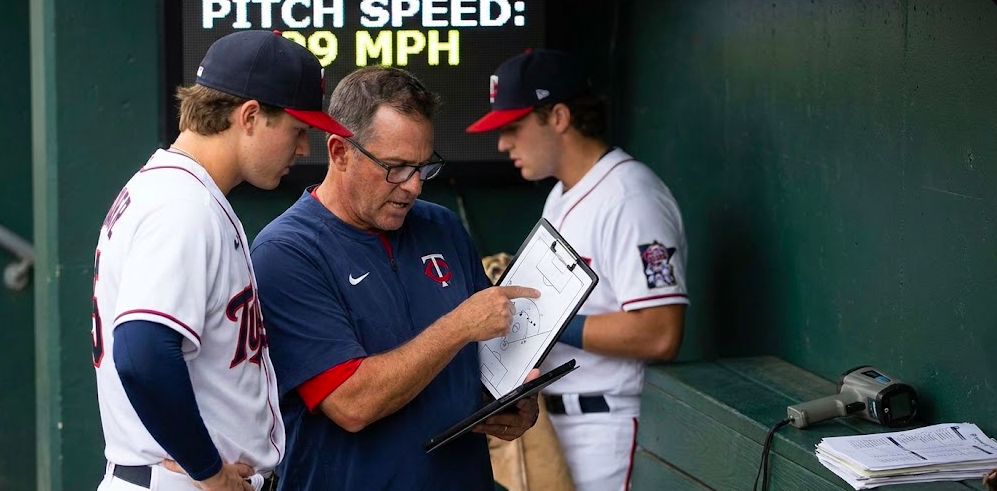
Show it to a real person. Bring the plan to a coach, trainer, or doctor and ask what they would change.
Watch for red flags. Promises of big velocity gains in a few weeks, max-effort lifts for young players, no rest days, or advice to play through pain are signs to throw the plan out.
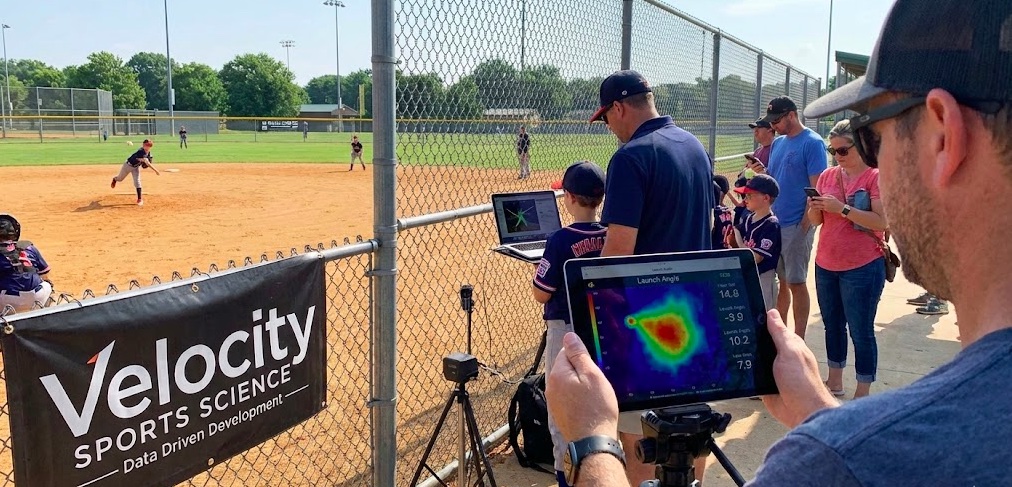
Our look at which training tech and apps are actually worth it applies the same test to gadgets.
Where Slugger AI Fits
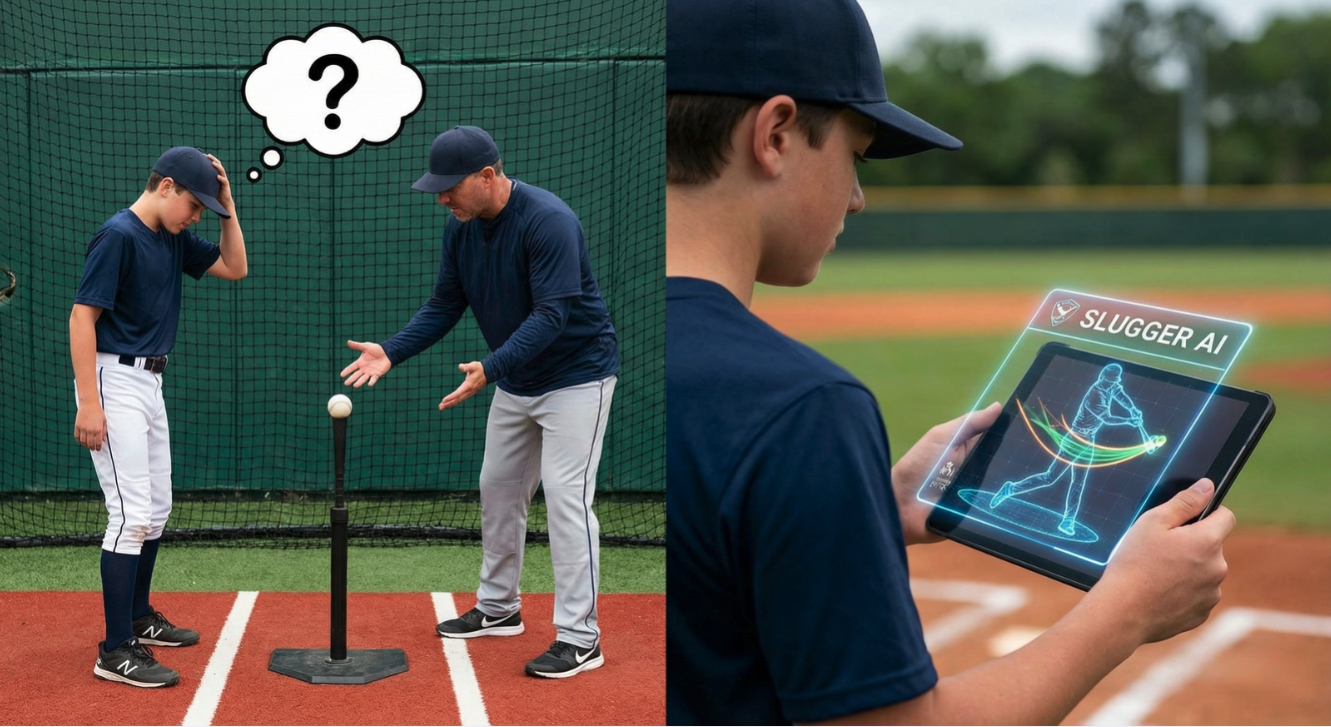
Some AI tools look at the athlete directly instead of guessing. Slugger AI Swing Analysis on CurveballCritiques.com reviews an uploaded swing video and breaks down mechanics such as hand loading, hip rotation, and head movement, then gives feedback and drills. It works for softball swings as well as baseball. The FAQ is clear that it is not a replacement for a batting coach. It is meant for checking mechanics between lessons. Videos are private by default, every registered user gets three free analyses, and reports can be saved to a player profile to track progress over the winter.
That is the right role for AI this offseason: a helper that organizes, explains, and gives a second look, with a qualified coach still making the calls.
At CurveballCritiques.com we believe that the best offseason plans come from people who know the player, and that AI earns a place only when it makes those people easier to hear. Use it to organize the week, explain the terms, and draft the first version. Then check it against real sources, show it to a coach, and let the player's own body and schedule have the final say.