The high school season feels far away in December, but the bills for spring start now. Cage time, field materials, preseason travel, and practice gear rarely fit inside a school athletic budget, so many programs lean on a parent booster club.
A well run booster club makes the season better for every player. A disorganized one creates tension with the school, pressure on families, and even tax trouble. Here is how high school baseball and softball parents can plan winter fundraising that the athletic director approves and families trust.
How a Booster Club Fits With the School
A booster club is usually a separate parent organization that supports one team or the whole athletic department. It is not the school, but it works under the school's rules because it uses the school's name, facilities, and students.
In a National Federation of State High School Associations (NFHS) article on booster clubs, an athletic administrator explains that the school needs to oversee all financial disbursements of booster clubs, make sure they follow district policies, and schedule any use of school facilities.
Local rules vary, so read your district's policy first. As one New Jersey example, the Haddonfield Board of Education booster club policy and regulation says:
Booster clubs must account to the Board for funds raised through school related activities.
Fundraisers need prior approval from the athletic director or principal.
Participation in booster fundraisers is voluntary, and door-to-door solicitation by students is not permitted.
The athletic director or principal must approve purchases over $1,000, facility improvements, and uniforms.
Booster proceeds should not replace what the district is supposed to fund.
Start Winter Planning With the Athletic Director
Meet the athletic director before the holidays, not the week before tryouts, and bring a short written plan: what you want to buy, what it costs, and which fundraisers you want to run.
In an NFHS interview on athletic fundraising, one Ohio athletic director said coaches and advisors file fundraising paperwork well in advance, listing dates, cost, potential income, vendors, and solicitation methods for approval. A Minnesota activities director described a master schedule showing which group fundraises each week, so teams are not all selling the same thing to the same neighbors.
Ask your athletic director three direct questions:
Do booster purchases go through the district, or can the club buy items and donate them?
Which fundraisers are already claimed by other teams this winter and spring?
What paperwork and approval timeline does the school expect?
Build a Written Budget Families Can See
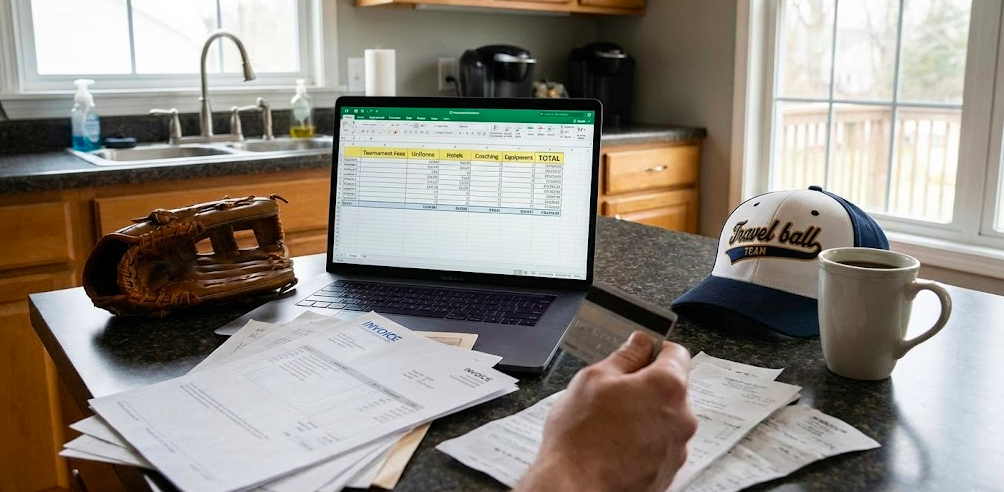
Families give more willingly when they know where the money goes. Turn the wish list into a simple budget showing each item, its estimated cost, and who approved it. Separate needs (field materials, safety equipment, required travel) from wants (matching bags, extra apparel). Share the budget at the first parent meeting and update it monthly.
Keep Records Anyone Could Audit
Volunteers change every year, so records need to outlast any single treasurer:
Use a dedicated bank account in the club's name, never a parent's personal account.
Have two people count cash from any event and sign the count sheet.
Keep a receipt for every expense and share a simple income and expense report at each meeting.
According to the IRS page on Form 990-N, most small tax-exempt organizations with annual gross receipts normally of $50,000 or less can meet their annual reporting requirement with the short electronic Form 990-N. The same page warns that an organization that fails to file required returns for three consecutive years automatically loses its tax-exempt status. Put the filing date on the club calendar and pass it to the next treasurer in writing.
Why Individual Player Accounts Cause Problems
A common booster habit is also one of the riskiest: letting each family's fundraising count toward its own player's fees or trip costs.
A 2011 IRS memo on booster clubs states that crediting amounts raised by a participant toward that participant's dues, or against the cost of a trip, provides a private benefit, and that such practices could cause a club to fail to qualify under section 501(c)(3). In a 2023 IRS letter revoking an organization's exemption, the agency pointed to individual fundraising accounts and cited the Tax Court's Capital Gymnastics Booster Club decision, where families earned fundraising points that offset their own children's costs and the court held that the club's assets improperly benefited those members.
The safer approach is to pool all fundraising money for the program as a whole. If some families cannot afford a cost, handle it through a confidential, need-based process that does not depend on how much anyone raised. A tax professional can help you set this up.
Treat Baseball and Softball Fairly
Baseball and softball often share a booster club or get compared side by side, which brings Title IX into the picture. A Title IX training on fundraising and booster clubs from the Oregon Department of Education and the Oregon School Activities Association lists booster club fundraising among the resources that count when a school reviews equity between boys' and girls' teams. It notes that individual sport booster clubs may pose more risk of inequity and recommends that school athletics staff review all booster purchases. Before a big purchase for one team, such as a batting cage for baseball only, talk with the athletic director so the school can plan for comparable benefits.
Winter Fundraising Ideas for High School Teams
Pick two or three fundraisers that fit your community rather than running something every weekend:
A winter hitting or pitching clinic for younger players, run with the coaching staff's approval.
Local business sponsorships for a season banner or schedule poster.
A pancake breakfast or concession night scheduled through the athletic director.
An online donation campaign that reaches relatives and alumni who live out of town.
Raffles need extra care because state law often regulates them. In New Jersey, an organization must first register with the Legalized Games of Chance Control Commission and then get a license from the municipality where the raffle will be held. Check your state's rules before selling a single ticket.
Fundraise Without Pressuring Families
Not every family can sell, volunteer, or donate at the same level, and that should never affect a player's spot or playing time. Keep participation voluntary, skip posting family by family totals, and thank every contribution, including time.
Where Online Fundraising Fits
Roster Raise is Curveball Critiques' online fundraising platform for baseball and softball programs, built for athletic directors, head coaches, and booster clubs. Each player gets a personal sharing link, a team leaderboard tracks progress, and donations are processed through Stripe and routed directly to the team's bank account. Our post on how Roster Raise works covers setup. If your club is a 501(c)(3), treat the leaderboard as encouragement only and keep every dollar in the team pot.
Schools that raise money this way can appear on the High School Power Index, which ranks high school baseball and softball programs by community fundraising impact: donations raised across all campaigns, weighted by donor participation.
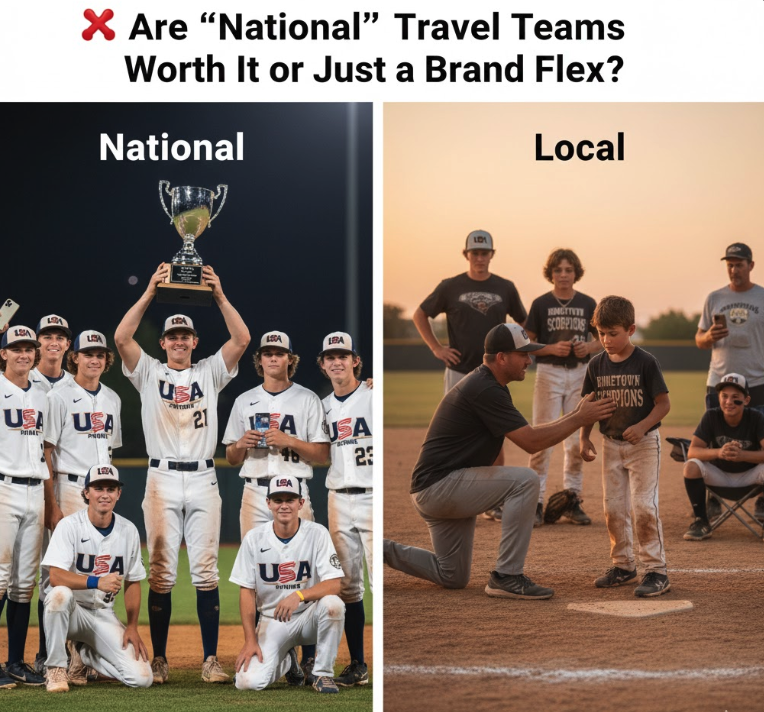
Juggling a travel team too? See our guides to high school tryouts and travel commitments and a winter fundraising plan for travel team managers.
A Simple Winter Checklist
Read your district's booster club policy.
Meet the athletic director with a written budget and fundraiser list.
Confirm the bank account, signers, and tax filing date.
Choose two or three approved fundraisers and set dates.
Pool all proceeds for the whole team and report monthly.
At CurveballCritiques.com we believe that a booster club works best when every family can see the plan, every dollar has a receipt, and every player benefits the same way. Start the conversation with your athletic director this winter, keep the books open, and spring will arrive with a funded season and a parent group families trust.