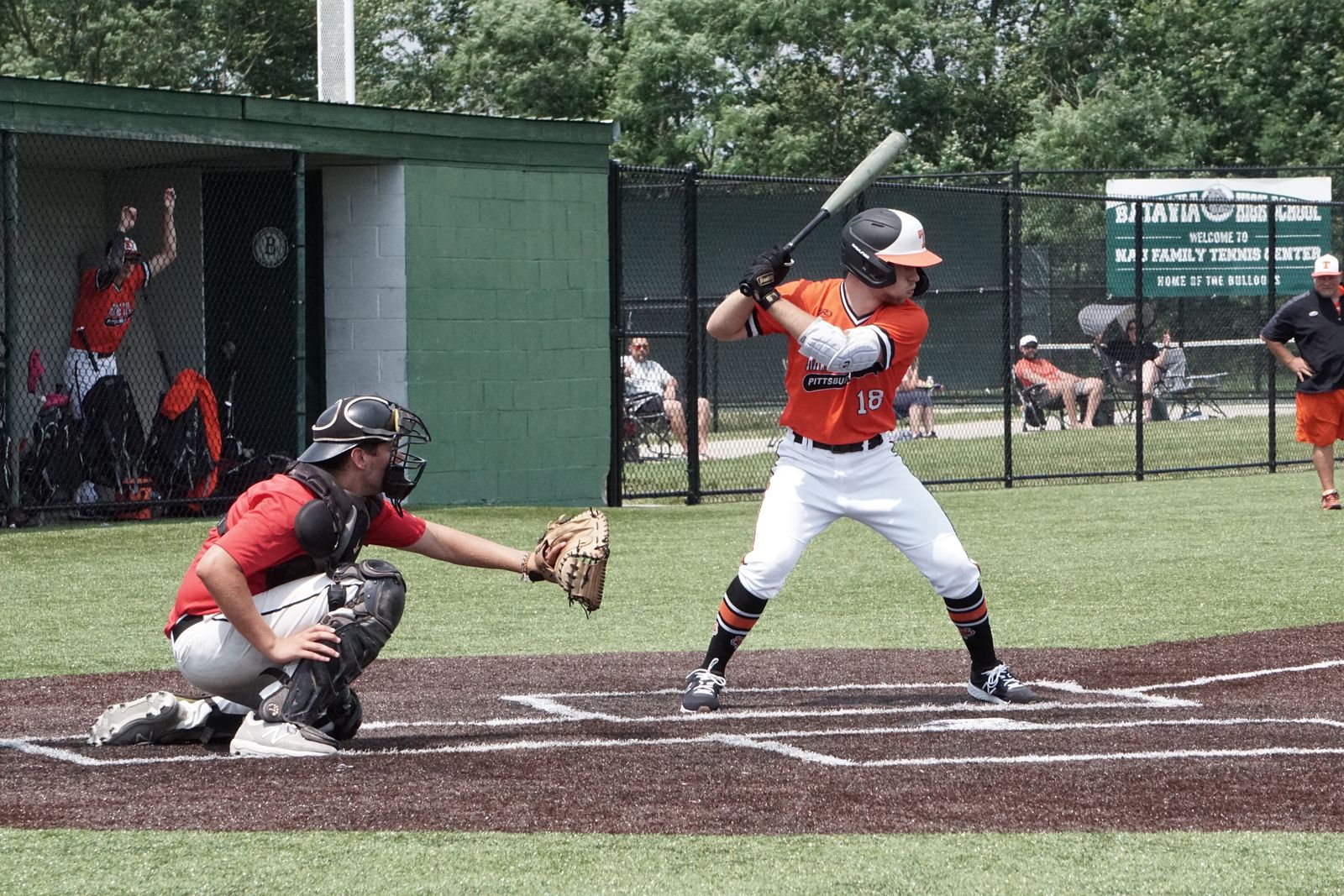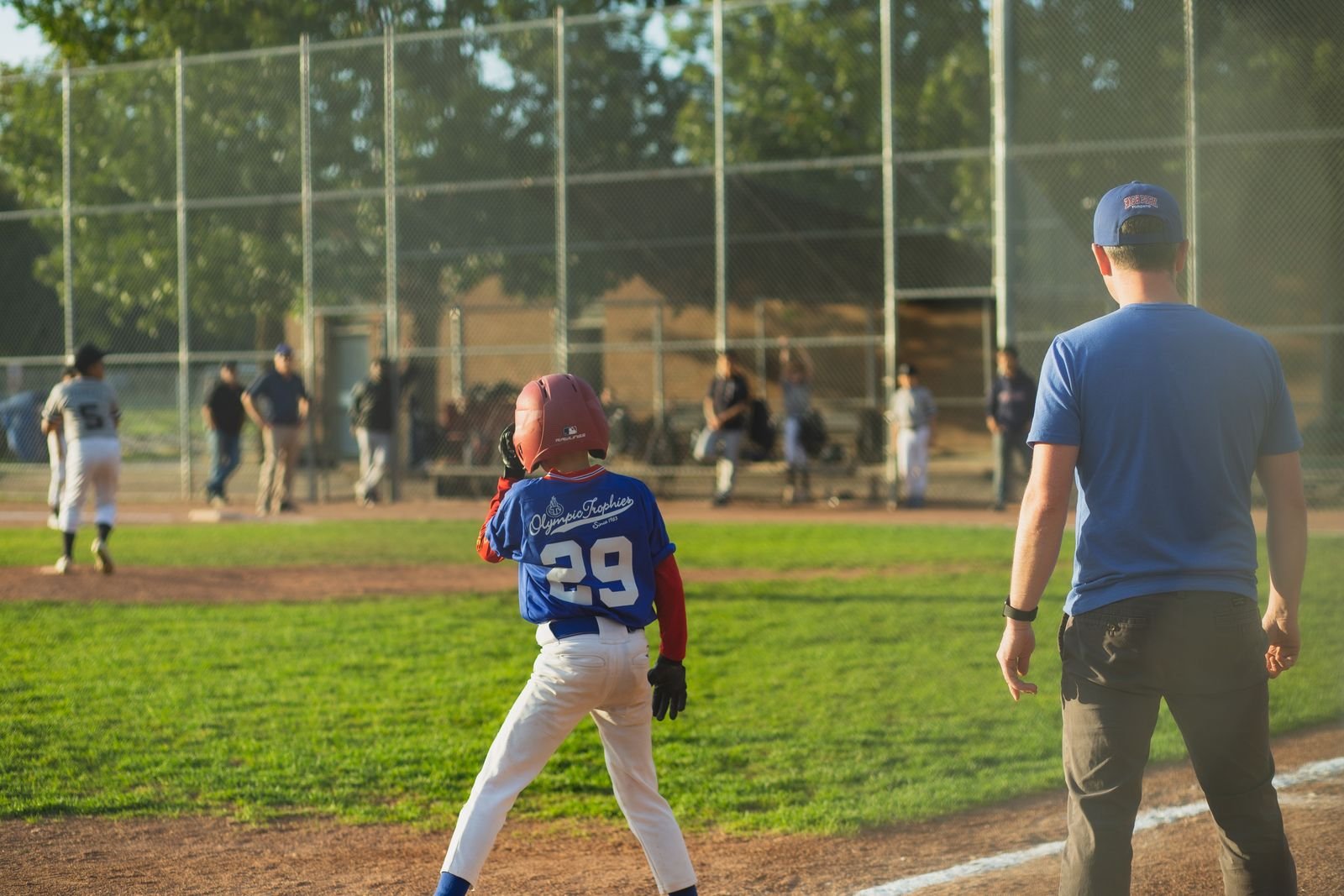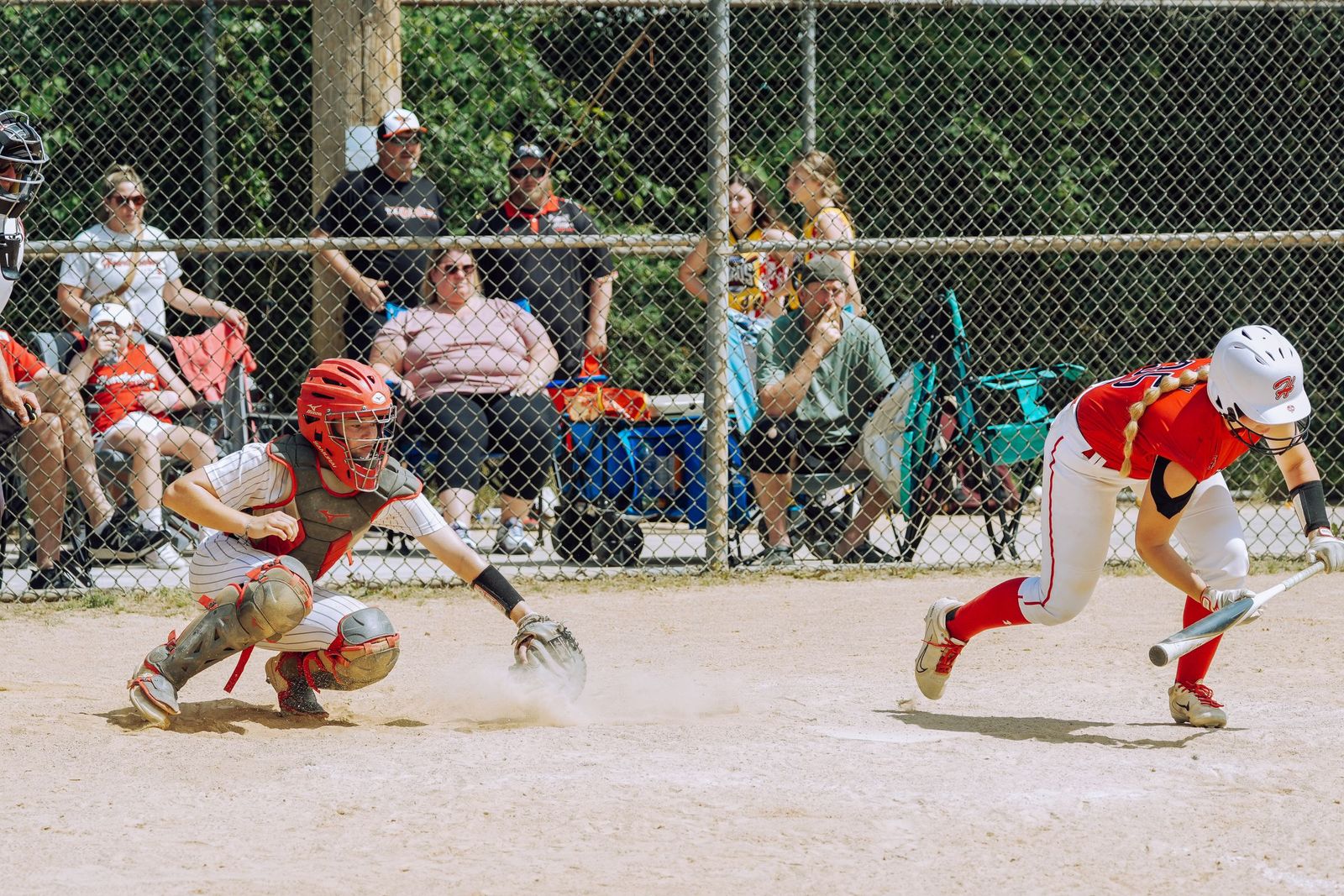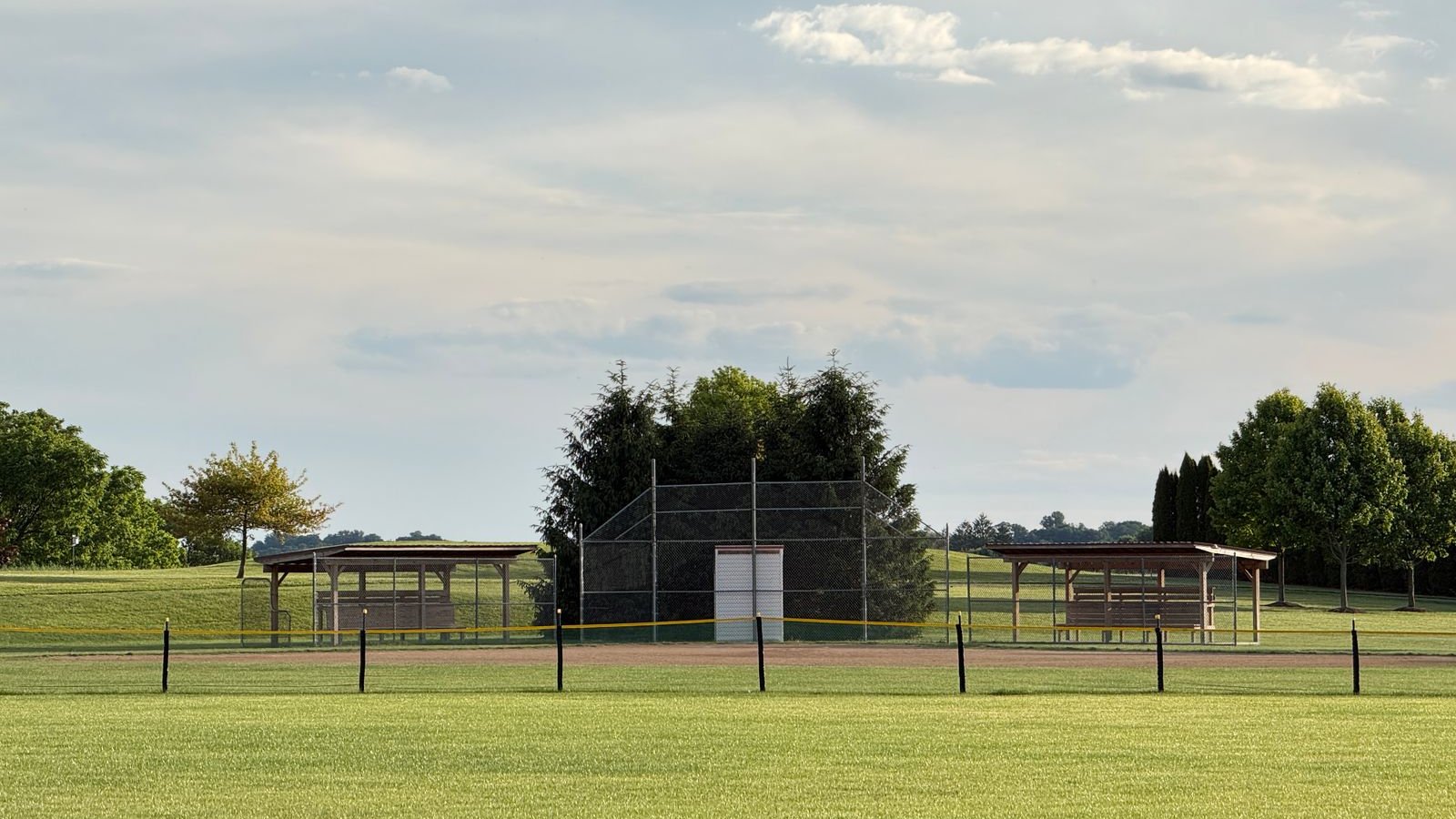
Outfield fence banners at youth and high school fields do not appear by accident. Somebody on a league board, booster club, or facility staff sold them, got them approved, had them printed, and hung them before opening day.
Winter is the best time to do that work. The fields are quiet, the board has time to plan, and approvals and printing take longer than most volunteers expect. This guide walks league boards, facility managers, booster clubs, and parent volunteers through selling baseball field sponsorship signs and softball field advertising in a way that is fair to businesses and easy to renew next year.
Start With Who Controls the Fence
Before you sell anything, find out who has the final say over the fence. Many leagues play on fields owned by a city, county, or school district, and those owners usually have written rules.
Three real examples:
The City of Worcester, Massachusetts, requires a permit that specifies the size, content, and location of each sign, issues permits only to a community group associated with the field, and limits sponsor signs to 4 feet by 8 feet or smaller.
The City of Anoka, Minnesota, allows fence signs at a designated field only on the interior-facing outfield fence, requires open-hole mesh banners no larger than 4 feet high by 8 feet long, and says banners must come down by the end of the season.
The Stanwood-Camano School District in Washington asks for its form at least four weeks before advertising starts, requires a written agreement and full payment before installation, and installs signs in batches in August and February.
Your field owner's rules may differ. Read them first, because they decide your sign size, material, location, display dates, and who is allowed to sell. If you rent a private facility, ask the facility manager the same questions in writing.
Build a Simple Youth League Sponsorship Package
A one page sheet that answers a business owner's questions in two minutes works better than a glossy brochure.
Include these basics:
Who you are: league or club name, the ages you serve, and how many teams play at the field.
Where the sign goes: outfield fence, scoreboard, or dugout, with a photo of the spot if you have one.
Sign size and material, taken straight from the field owner's rules.
How long the sign stays up: one season, one school year, or multiple years.
Who pays for printing and installation.
The price, and what is included.
A contact name, email, and phone number for the board member handling sponsors.
Business owners mainly want to know who will see the sign and for how long. Be honest about it. Share the number of home games or tournament weekends on your schedule and the age groups that play there, and skip guesses about crowd size unless you actually count attendance.
Price Fairly by Looking at Local Options
There is no national price for an outfield fence banner, so look at what nearby schools and leagues publish.
Two published examples show how much prices and terms can vary. The Okemos Athletic Boosters in Michigan list an outfield fence sign at $600 for baseball and $400 for softball, each for one school year, with printing and installation paid for and coordinated by the boosters. The Stanwood-Camano School District charges $1,000 for one year, $1,500 for two years, and $2,000 for three, and the advertiser designs and orders its own aluminum sign.
Notice the differences: who pays for the sign, how long the term runs, and whether multiyear deals get a better rate. When you set your own price, decide those three things first. A small shop may prefer one season, while an established business may like locking in a spot for three.
Know the Tax Basics for Nonprofit Programs
If your league or booster club is a tax-exempt nonprofit, the wording on the sign matters. The IRS explains the difference between advertising and a qualified sponsorship payment. A qualified sponsorship payment is one where the business expects no substantial return benefit beyond the use or acknowledgment of its name or logo.
According to the IRS, an acknowledgment can include logos and slogans without comparative or qualitative descriptions, locations, telephone numbers, and value-neutral descriptions of the sponsor's products or services. Messages with qualitative or comparative language, price information, an endorsement, or an inducement to buy count as advertising, and a single message that contains both is treated as advertising. The full rule is in Treasury Regulation 1.513-4.
In practice, "Smith Plumbing, proud sponsor, with a phone number" reads as an acknowledgment, while "Best prices in town, stop in today" reads as advertising. The Okemos boosters say their program displays only sponsorship signs for this reason. Talk to a tax professional before you decide how to treat sign income, and see our guide to high school booster club fundraising for record keeping basics.
Sign Production and Installation
Collect the logo file early. Ask for a high resolution or vector file, not a screenshot from a website.
Send a proof to the sponsor and, if required, to the field owner. Okemos, for example, has both the sponsor and the high school athletic department approve each proof.
Order from a printer who can match the required material. Mesh banners have open holes that let air pass through, and some cities, such as Anoka, require them.
Install the way the field owner says. Worcester requires metal bands for banners and bolts with capped nuts for plywood signs, and allows signs on fences only.
Keep a simple sign log with sponsor name, location on the fence, install date, and expiration date.
Between owner approval, artwork, proofs, and shipping, a sign ordered in March may not be up for the first game.
Thank Sponsors and Make Renewal Easy
The renewal conversation starts the day the sign goes up. Send each sponsor a photo of their banner on the fence, mention them on the league's social media if your rules allow it, and send a short thank you at the end of the season with a team photo.
When renewal time comes, reach out before the field owner's deadline, not after. Offer the same spot first, explain whether the existing sign can be reused, and keep the price steady unless something real changed. For more ideas on running a sponsor drive alongside other fundraising, see a winter fundraising plan for travel team managers, and for the family side of the money conversation, read how to budget for a travel baseball season without going broke.
Where the Field Ad Marketplace Fits
Curveball Critiques runs a Field Ad Marketplace where businesses can buy physical advertising space at community baseball and softball facilities, with turnkey banners, no phone calls, and a three-click checkout. A field's advertising inventory is activated by its facility manager. If a field is not active yet, a business can request to sponsor it, and Curveball reaches out to the facility director to get them set up.
Facilities also show up in the Scout's Notebook, where travel ball families post honest facility reviews, and you can suggest a facility that is missing. For a sense of how facilities and tournament operators see the business side of the game, read what tournament directors and org owners wish parents understood.
At CurveballCritiques.com we believe that local businesses want to support the fields where their customers' kids play, and boards that make sponsorship simple, honest, and easy to renew turn one season's banners into lasting community partners.